Leaky roof repair is one of those problems that gets dramatically more expensive the longer you wait, which is why getting on top of it fast matters. A small drip caught in the first week usually costs a few hundred dollars to fix. The same leak ignored for three months can run into the thousands once decking, insulation, and drywall get involved. This guide walks you through what leak repairs actually cost in 2026, what causes most leaks in the first place, and the practical steps you can take to protect your home or commercial building in Cocoa and surrounding areas.
Here is what you will learn:
- 2026 cost ranges: What different types of leak repairs actually cost this year.
- Most common causes: Where leaks usually start and which ones get expensive fast.
- What to do right now: Practical tips for handling a leak before the pros arrive.
What Does Leaky Roof Repair Cost In 2026?
Most homeowners spend between $360 and $1,550 on a roof leak repair in 2026, with the national average landing around $650 to $1,150 depending on the source. The wide range comes down to a few things: how big the leak is, how long it has been leaking, where on the roof it is, and what material your roof is made of.
What Are The Typical Price Ranges By Severity?
A small, recently discovered leak with no water damage underneath usually falls in the $150 to $500 range, while a leak that has soaked decking or run for weeks can push past $1,500 to $3,000. Major repairs involving structural damage, mold, or damage that calls for more extensive repairs, including extensive repairs to larger decking sections, can hit $3,000 to $6,000 or more. Emergency calls after hours or during a storm typically add $200 to $500 on top of the base repair cost, and most contractors have a minimum trip charge of $150 to $300 even for the smallest jobs.
- Minor leak repair: $150 to $500 for fast-caught leaks with no underlying damage.
- Moderate leak repair: $500 to $1,500 for leaks involving flashing, valleys, or small decking sections.
- Major leak repair: $1,500 to $3,000+ when decking, underlayment, or insulation needs replacement.
- Severe water damage: $3,000 to $6,000+ for structural repairs, large decking sections, or mold remediation, and delaying a leak often leads to costly repairs.
What Factors Drive The Final Price Up Or Down?
Several things move the number around once a roofer actually gets on your roof and sees what is going on. Roof pitch is a big one, since steep roofs require harnesses, extra time, and a higher skill level. Material matters too, because asphalt shingle repairs are the cheapest while tile, metal, and slate all run more. Access plays a role, with two-story homes and roofs surrounded by landscaping costing more than easy single-story access. And the cause of the leak matters, because a simple pipe boot swap is straightforward but a chimney flashing rebuild is hours of detailed work.
- Roof pitch: Steep roofs cost more because of safety equipment and slower work.
- Roof material: Asphalt is cheapest to repair, with tile, metal, and slate running higher.
- Building height and access: Two-story homes and tight access add labor cost.
- Type of leak: A pipe boot swap is fast and cheap; flashing rebuilds and valley repairs are not.
What Causes Most Roof Leaks?
Roof leaks rarely come from the middle of the roof. They almost always start at a transition point or a penetration, somewhere two materials meet or something pokes through the roof surface.
4 Most Common Sources Of Roof Leaks
The usual suspects are pipe boots, flashing, valleys, ridges, skylights, chimneys, and damaged shingles. Pipe boots are the rubber gaskets around plumbing vents, and the rubber dries out and cracks in 10 to 15 years, which makes them one of the most common leak sources in any roof. Flashing fails when sealant degrades or storms loosen the metal, and damaged flashing is a common failure point around chimneys, skylights, walls, or siding, while valleys leak when debris piles up and water backs up under shingles. Skylights and chimneys both involve detailed flashing work, and bad installation or worn sealant turns them into leak factories. Wood shake roofs need careful inspection because broken shakes and gaps around flashing can let water in.
- Pipe boots: Cracked rubber gaskets around plumbing vents, usually $250 to $600 to replace.
- Flashing failure: Loose or worn flashing around walls, chimneys, and skylights, $300 to $1,500.
- Valley leaks: Where two roof slopes meet, leaks here run $400 to $1,500 depending on size.
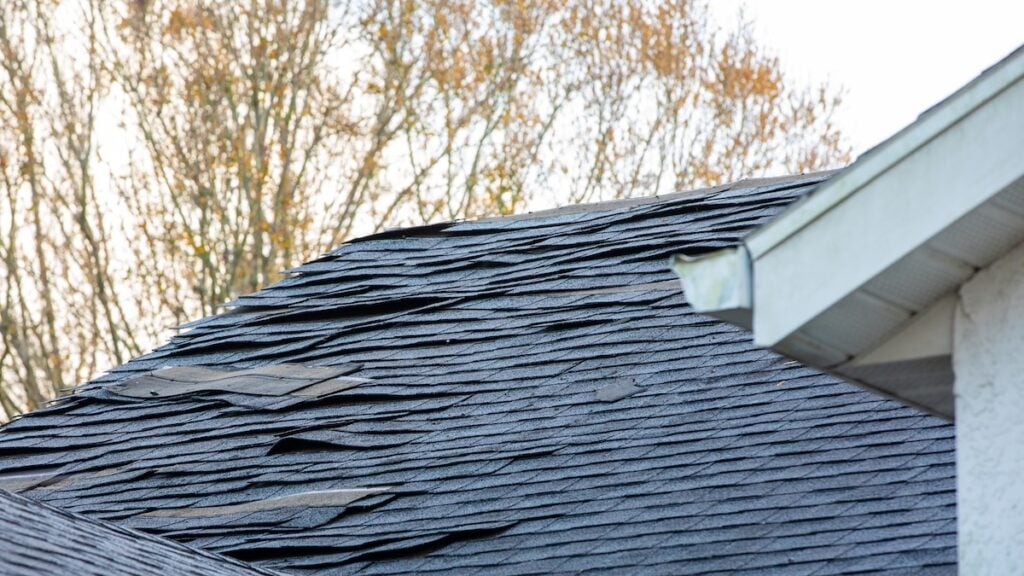
- Damaged shingles: Wind-lifted or missing shingles, $150 to $400 for a small repair, though the right fix depends on the roofing material.
Why Do Small Leaks Turn Into Big Repairs So Fast?
Water that finds its way through your roof does not just sit in one place. It travels along rafters, runs down framing, and soaks into insulation before it ever shows up as a stain on your ceiling. According to the Insurance Information Institute, water damage and freezing claims make up roughly 22 to 28 percent of all home insurance claims, second only to wind and hail, with an average claim cost of about $15,400. That is why a $400 repair caught in week one can become a $4,000 problem by week twelve. Decking rots, drywall warps, insulation gets ruined, and mold starts to grow, often before the homeowner even realizes how bad it is.
- Water travels: Leaks can run 5 to 10 feet along framing before showing up inside.
- Mold timeline: Mold can start growing in damp materials within 24 to 48 hours.
- Decking damage: Soaked plywood loses strength and needs replacement, not just patching.
- Insurance scrutiny: Carriers may deny claims classified as gradual or maintenance-related leaks.
Tips For Handling A Leaky Roof Right Now
If you have water coming through your ceiling, there are things you can do today to limit the damage before a contractor arrives. None of these are permanent fixes, but they buy time and reduce what the final repair will cost.
How Do I Slow Down The Damage Before A Pro Gets There?
The first move is to contain the water inside and document what is happening for insurance, because a leaking roof needs immediate attention to reduce interior damage. Put a bucket under the drip and a towel down to catch splash. If the ceiling is bulging from trapped water, carefully poke a small hole in the lowest point with a screwdriver to drain it into the bucket, because a controlled drain is much better than a sudden ceiling collapse. Move furniture and electronics out of the affected area, and remember that ongoing leaks can also lead to higher utility bills if insulation stays wet. Even a small amount of water can seep into ceilings, walls, and insulation. Take photos and video of everything, and call your insurance carrier early so the claim is started on time.
- Contain the water: Buckets, towels, and tarps inside to stop secondary damage to floors and belongings.
- Drain bulging ceilings: A small controlled hole is safer than letting a saturated ceiling collapse.
- Document everything: Photos, video, and notes for the insurance claim from day one.
- Call your insurer fast: Sudden leaks are more likely to be covered than ones reported weeks later.
Should I Try To Find The Leak Source Myself?
You can check for visible signs of a leaking roof, but actually fixing the leak is usually a job for a licensed pro. From inside the attic, look for water stains on rafters, wet insulation, daylight coming through the roof deck, or damage like holes. From the ground, scan for missing or curled shingles, a membrane tear, small cracks, debris in valleys, or visible damage around chimneys and vents. Never walk on a wet or icy roof, because more people get hurt during DIY leak chases than during the actual repair work. If conditions are safe and you can reach the area from a stable ladder, a temporary tarp can buy you a few days. Clear debris before applying any sealant so it can adhere properly. DIY work is only a short-term option for minor, localized leaks, and homeowners in heavy weather areas should call a professional roofing contractor for the actual repair.
- Check the attic first: Look for water stains, wet insulation, and daylight through the deck.
- Scan from the ground: Missing shingles, debris in valleys, or visible flashing damage.
- Skip the roof climb: Wet or steep roofs are dangerous, especially after storms.
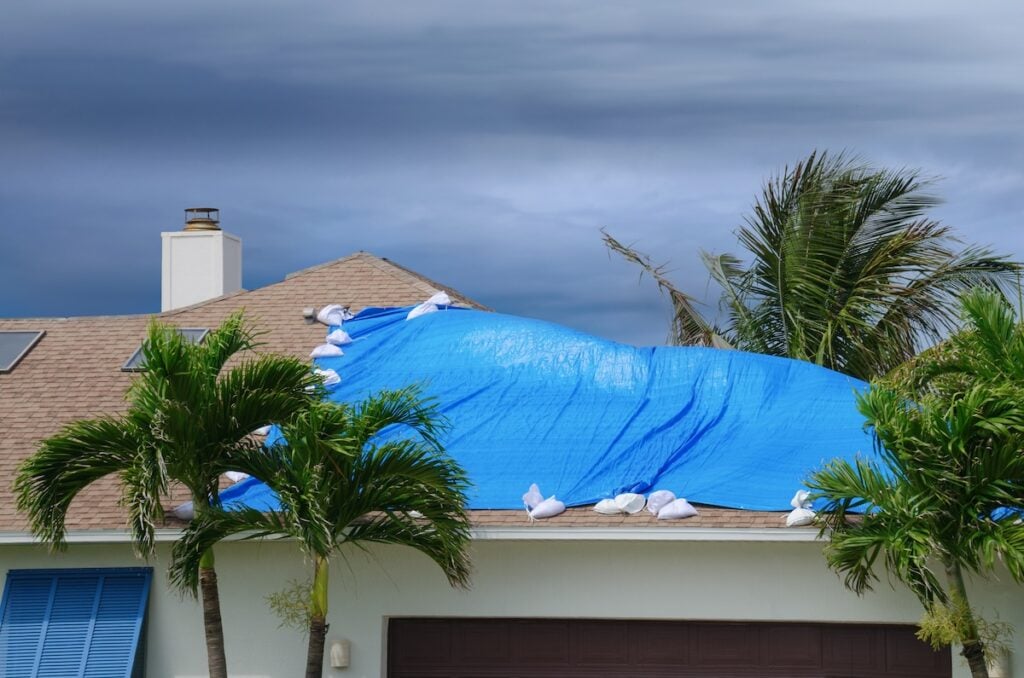
- Tarp as a stopgap: A tarped roof is a temporary fix, not a repair, but it limits damage.
When To Repair Versus Replace A Leaky Roof
At some point, repairs stop making financial sense and replacement becomes the smarter call. Knowing where that line sits depends on the age of the roof, the size of the problem, and how many other issues are starting to show up.
How Do I Know If A Repair Is Enough?
A repair is usually the right call when the roof is less than 15 years old, the leak is isolated to one spot, and the rest of the roof looks healthy. Pipe boot replacements, flashing reseals, and small shingle repairs all make sense on a roof with years of life left. If your roof is younger than 10 years and only has one leak, you should almost always repair rather than replace, since a full replacement would waste a lot of remaining service life.
- Roof age under 15 years: Repairs make sense; the roof has plenty of life left.
- Isolated single leak: One problem area means one repair, not a full re-roof.
- Rest of roof healthy: Shingles in good shape, granules intact, flashing sound elsewhere.
- Recent installation: Newer roofs are usually worth repairing under warranty.
When Does Replacement Make More Sense?
Replacement starts to win the math when the roof is past 20 years old, when you have multiple active leaks, or when a single leak has caused significant decking and insulation damage. If your shingles are cupping, missing granules in patches, or losing tabs in light wind, you are likely close to needing a full replacement anyway. At that point, putting money into repairs is throwing good money after bad, and most contractors will tell you so honestly.
- Roof age 20+ years: Most asphalt roofs are at or near end of life.
- Multiple active leaks: Three or more leak spots usually point to systemic failure.
- Widespread damage: Granule loss, cupping shingles, and exposed mat across large areas.
- Repair cost over 30% of replacement: When repairs add up to a meaningful chunk of a new roof, replace instead.
Frequently Asked Questions
How Much Does A Roof Leak Repair Cost On Average?
Most roof leak repairs cost between $360 and $1,550 in 2026, with the national average around $650 to $1,150. Small repairs like pipe boot replacements or a few missing shingles run $150 to $500, while bigger leaks involving flashing, valleys, or damaged decking can hit $1,500 to $3,000 or more. Emergency calls add $200 to $500.
Does Homeowners Insurance Cover A Leaky Roof?
Sometimes, depending on the cause. Insurance usually covers sudden, accidental damage like a storm tearing off shingles, but typically does not cover gradual leaks blamed on age or poor maintenance. File the claim quickly, document everything with photos, and keep your maintenance records, because carriers are scrutinizing roof claims more heavily than they used to.
Can I Repair A Roof Leak Myself?
Small fixes like sealing a single nail pop or replacing a couple of shingles are doable for handy homeowners, but most leak repairs involve safety risks and detailed flashing work that is hard to get right, and most DIYers should not try to install replacement materials unless the issue is very minor. Improper DIY repairs often make the leak worse, cause further damage, void manufacturer warranties, and can create insurance issues later. For anything beyond a tiny surface fix, hire a licensed roofing contractor.
How Long Can I Leave A Roof Leak Before Fixing It?
Not long at all. Mold can start growing within 24 to 48 hours of water exposure, and decking can begin to weaken within a few weeks. A leak left for months can multiply the original repair cost by five or ten times because of decking, insulation, drywall, and mold work. Get a contractor out within a day or two whenever possible.
Should I Get Multiple Estimates For A Roof Leak Repair?
For small repairs under $500, one trusted contractor is usually fine. For anything in the $1,000+ range, getting two or three estimates makes sense, since pricing and recommended scope can vary widely. Always check that the contractor is licensed, insured, and has solid reviews specific to repair work, not just full replacements.
How Often Should I Inspect My Roof For Leaks?
Twice a year is the standard recommendation, ideally in spring and fall, plus a quick check after any major storm. Most leaks start small and can be caught early if someone is actually looking. A professional inspection costs $100 to $400 and is worth it every few years even if nothing seems wrong from the ground.
Why Property Owners In Cocoa Trust Platinum Roofing For Leak Repairs
When you have a leaky roof in Cocoa and surrounding areas, the contractor you call matters as much as how fast you call. Platinum Roofing is a trusted roofing company backed by experienced professionals, with over 20 years of experience, GAF Master Elite certification, GAF Commercial certification, and Carlisle Commercial certification, plus the kind of honest assessment that tells you when a repair is enough and when replacement is the smarter call.
We offer 24/7 availability for emergency repairs when storms hit, free estimates, and financing for qualified customers who need to spread out the cost of a bigger fix. We provide fast response for urgent leaks, and we use premium materials to help prevent repeat leaks and reduce the chance of future costly callbacks. If you are dealing with a drip, a stain, or a roof that just had a rough storm, reach out today for a free, no-pressure estimate and we will get out fast to figure out exactly what is going on.