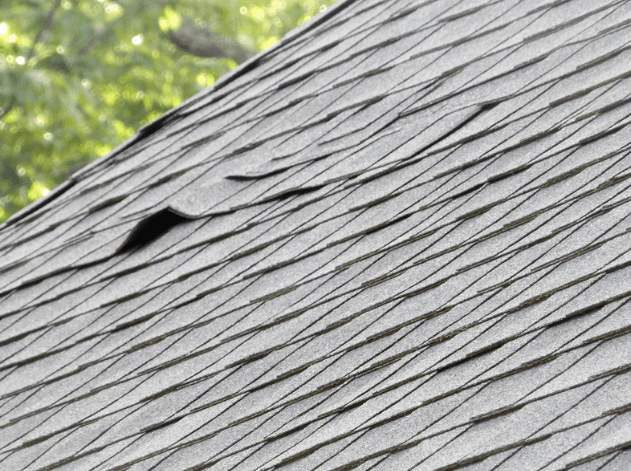
Are metal roofs better than shingles or tile in a state that throws hurricanes, brutal sun, and salt air at your house every single year? For most property owners in Melbourne and surrounding areas, the answer is yes, and the reasons are pretty practical. Metal roofing lasts longer, handles storms better, and cuts your power bill. The catch is that it costs more upfront, which is why it helps to understand what you actually get for the extra money before you commit.
Here is what this guide covers:
- How metal handles Florida weather: What hurricanes, UV, and salt air really do to a roof.
- What it costs and what it saves: Real dollar ranges, expected lifespan, and where the long-term math lands.
- Residential and commercial use: Which systems fit homes, and which fit businesses.
What Makes Florida So Hard On Roofs?
Florida punishes weak roofs faster than almost any other state. Between the heat, the humidity, the storms, and the salt, your roof is fighting four problems at once.
How Does Florida Heat And UV Wear Down A Roof?
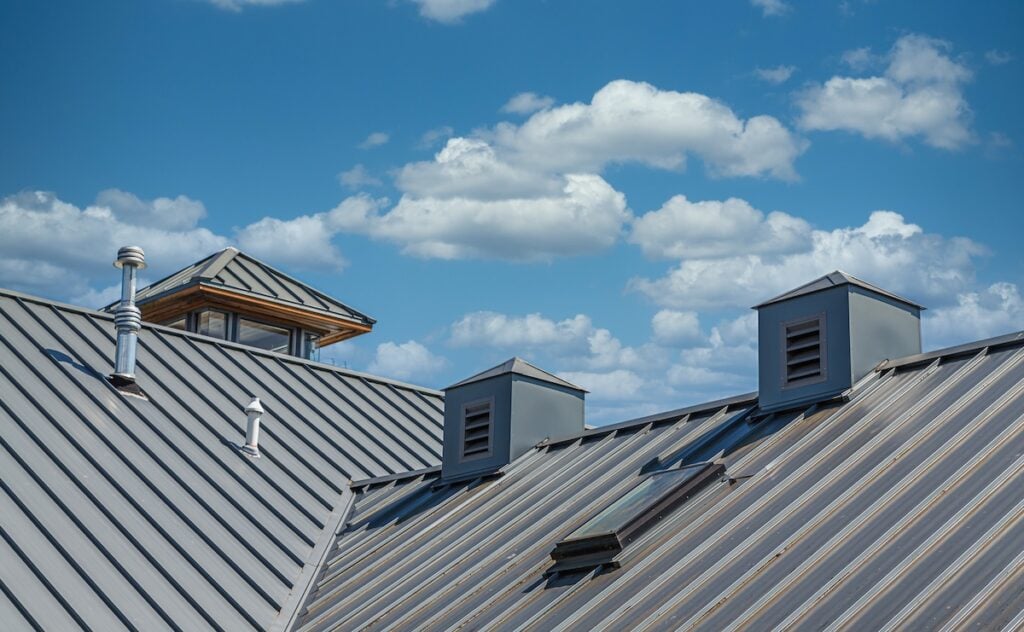
Florida gets more annual UV radiation than nearly any other state, and that sun slowly cooks every roofing material. On a hot afternoon, a dark roof can hit 150°F or higher, which dries out shingle binders, hardens sealants, and breaks down the rubber washers around fasteners. Those daily temperature changes create a heating and cooling cycle that causes expansion and contraction, and that constant movement is what loosens screws and cracks brittle materials over time. Metal handles this better because the paint systems used on quality panels, like Kynar 500, are built specifically to hold up under UV for decades.
In cooler climates, unpainted metal can absorb heat from the sun in winter, but in Florida reflective finishes are usually the better choice.
- UV damage: Florida sun ages asphalt shingles in 15 to 20 years, about half the national average.
- Surface temperature: Dark roofs can hit 150°F in direct sun, stressing everything underneath.
- Daily expansion: Heating and cooling cycles slowly loosen fasteners and crack weaker materials.
- Paint quality matters: Premium metal coatings hold their color and reflectivity 10 to 15 years longer than cheaper finishes, and metal roofs are energy efficient because they reflect the sun’s rays and reduce absorption of the sun’s heat.
Why Are Florida Storms So Tough On Roofing?
Florida has some of the strictest wind codes in the country because the storms here are genuinely dangerous. A named storm on the Space Coast can deliver sustained winds of 110 to 165 mph, with gusts that try to peel your roof off layer by layer. Most roofs do not fail in the middle, they fail at the edges, ridges, and around vents, where the wind gets underneath and lifts. That is exactly where a well-engineered metal roof shines, because it can handle extreme weather and severe weather conditions, not just hurricane uplift, with systems built to withstand high winds up to 140 mph as well as heavy snow and hail.
Metal roofs are also highly resistant to impact; many carry a Class 4 rating that helps them hold up in severe weather, though large hailstones can still dent some profiles or softer metals.
Metal also offers strong fire resistance, often with a Class A fire rating when installed as a rated assembly.
- Code requirements: The Florida Building Code sets some of the strictest wind uplift rules in the country.
- Wind ratings: Standing seam metal systems are rated for 140 to 180 mph when properly installed.
- Weak points: Most storm failures start at edges, ridges, and fasteners, not the body of the roof.
- Insurance credit: Florida’s wind mitigation program offers 5 to 35% premium discounts for qualifying roofs.
6 Facts About Why Metal Roofs Work Well In Florida
Here are the six biggest reasons Florida property owners keep picking metal, broken down so you can see what actually matters for your home or building.
1. Metal Roofs Last 2 To 3 Times Longer Than Shingles
Metal roofs offer a lifespan that is significantly longer than an asphalt shingle roof or traditional asphalt shingles in Florida, with a standing seam system typically lasting 50 to 70 years while an asphalt shingle often lasts 15 to 20. That means if you install metal once, you probably never re-roof again. A traditional asphalt roof with three-tab shingles might last 15 to 20 years, while architectural asphalt shingles typically top out around 30 to 50 years. If you stick with shingles, you can plan on replacing them two or three times over the same period, which adds up to a serious amount of money and hassle. Aluminum systems can clear 50 years even right on the coast, and screw-down steel panels give you 35 to 50 years for less money upfront.
- Standing seam: 50 to 70 years with normal maintenance.
- Screw-down panels: 35 to 50 years, usually limited by the rubber washers rather than the panels.
- Aluminum: Often 50+ years on the coast because it never rusts.
- Shingles: 15 to 20 years in Florida, meaning 2 to 3 replacements per metal roof, depending on proper installation.
2. Metal Reflects Heat And Lowers Your Power Bill
Florida cooling bills are no joke, and a reflective metal roof can take a real bite out of them. According to the U.S. Department of Energy, a reflective roof can stay more than 50°F cooler than a conventional dark roof under the same sun, which directly reduces the load on your air conditioning. A cooler attic means your AC runs less, your electric bill drops, and your air handler does not wear out as fast. Even darker metal colors can qualify as cool roofs now because modern coatings use special pigments that reflect infrared light. Many metal roofing products also use recycled content and are recyclable at the end of their service life, which keeps material out of landfills.
- Energy savings: 10 to 30% lower cooling costs with a proper cool metal roof.
- Cooler surface: Up to 50°F cooler than a conventional dark roof in the same sun.
- Energy Star options: Many metal roofing products are Energy Star qualified.
- Commercial benefit: Large commercial buildings can also see big drops in peak demand charges.
3. Metal Roofs Hold Up Better In Hurricanes
This is the big one for most Florida property owners. Standing seam metal systems carry wind ratings of 140 to 180 mph, and some premium systems test out to 200 mph, which means they can withstand extreme weather better in hurricanes than most other roofing options outside the High Velocity Hurricane Zone. The metal panels lock together and the fasteners are hidden, so there are far fewer weak points than on a shingle roof with thousands of exposed nails. Those interlocking sections are made in large sheets, which reduces the number of joints compared with shingles and helps limit failure points. When you pair that with quality underlayment and properly detailed edges, you end up with one of the most storm-resistant roofs you can buy. Proper detailing also matters because metal roofs leak less when flashing, seams, and fasteners are installed correctly, but can leak if those areas are done poorly.
- Wind ratings: 140 to 180 mph for standing seam, with premium systems tested to 200 mph.
- Hidden fasteners: Thousands fewer exposed leak points compared to shingles or screw-down panels.
- Strong edges: Engineered to resist uplift where storms attack first.
- Code compliant: Meets Florida Building Code Section 1504 when installed correctly.
4. Metal Resists Salt Air, Mold, And Moisture
Coastal Florida is rough on roofing because salt spray, humidity, and rain attack organic materials nonstop. Shingles grow algae streaks, hold moisture, and lose granules over time. Wood underlayment can rot if water gets through. Metal does not absorb water, does not grow mold, and does not give algae anything to feed on. If you live within a mile of the ocean, aluminum is the best pick because it does not rust at all. A little farther inland, coated steel like Galvalume works great too.
- No water absorption: Metal sheds rain immediately and stays dry.
- No algae streaks: Smooth panels do not feed the growth that streaks shingle roofs black.
- Aluminum for coastal: The best option within a mile of saltwater.
- Coated steel inland: Galvalume and Kynar-finished steel hold up well in mid-coastal areas.
5. Metal Roofs Can Lower Your Insurance Premium
Florida insurance keeps climbing, and your roof is one of the biggest factors carriers look at. The state’s wind mitigation inspection program offers premium discounts of 5 to 35% when your roof has certain features documented, and a hurricane-rated metal roof tends to check several of those boxes at once. Carriers also weigh roof age heavily, so a 50 to 70 year metal roof stays “young” in their system for a long time. For commercial owners, a strong metal roof can also help your property stay insurable as carriers pull back from Florida.
- Wind mitigation discounts: 5 to 35% premium reductions are possible with documented credits.
- Roof age: Metal stays favorable in insurance terms for 40+ years.
- Renewability: Storm-rated roofs help your property stay insurable with picky carriers.
- Documentation: A qualified contractor handles the inspection paperwork for you.
6. Metal Works For Both Homes And Commercial Buildings
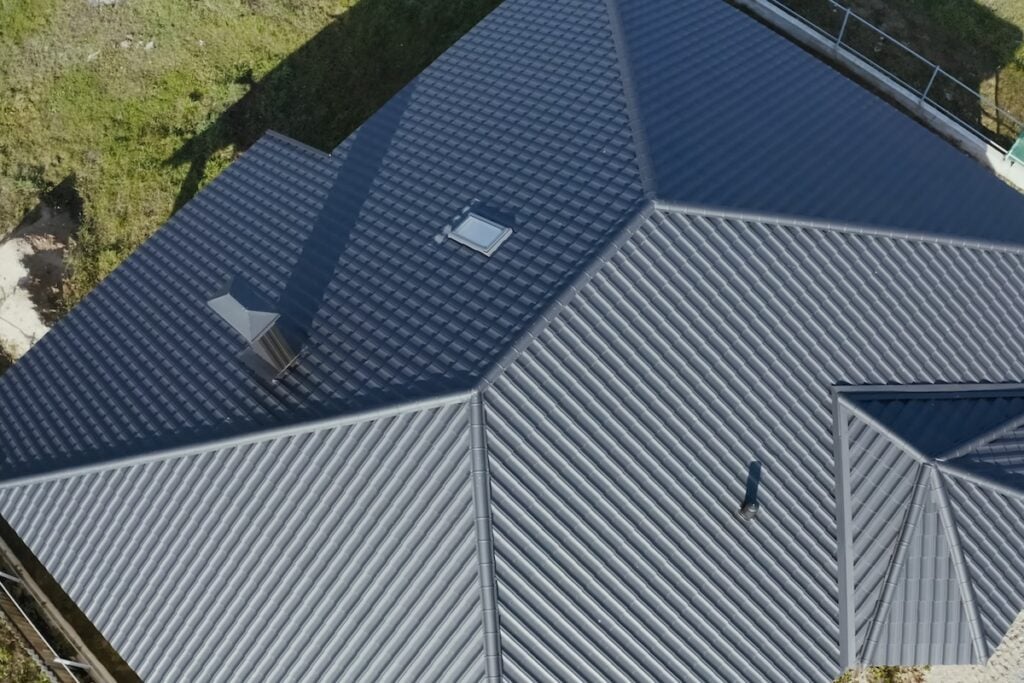
One thing that makes metal stand out is how well it fits both residential and commercial use, and many homeowners choose it not only for performance but also for curb appeal. A new metal roof comes in multiple panel profiles and a wide range of colors, from earth tones to bolder shades, which helps it match different home styles and commercial designs. On a home, standing seam panels give you a clean modern look with long lifespan and great storm performance. On a commercial building, especially one with a low slope, standing seam works well alongside TPO membranes and rooftop equipment. For warehouses, agricultural buildings, and outbuildings, screw-down R-panel keeps costs down while still outperforming shingles. Platinum Roofing holds GAF Master Elite, GAF Commercial, and Carlisle Commercial certifications, so we are trained and approved to install systems on everything from single-family homes to large commercial properties in Melbourne and surrounding areas, and that premium look can support value on a home’s roof or commercial building.
- Homes: Standing seam and stone-coated steel are the most popular residential picks.
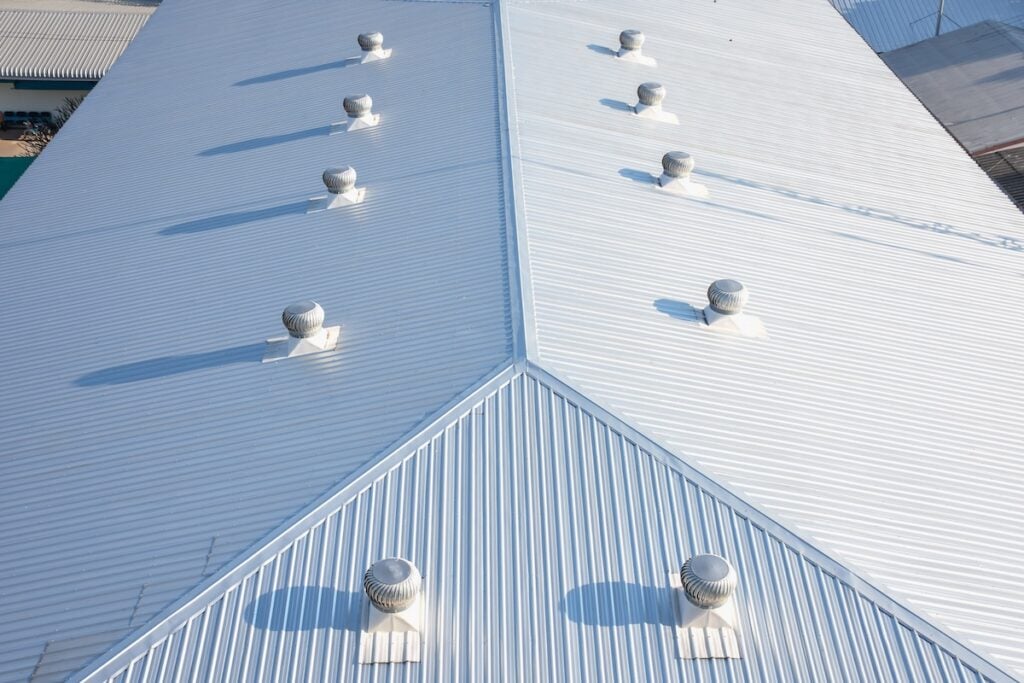
- Commercial buildings: Standing seam and mechanically attached systems handle low-slope and steep-slope.
- Industrial and ag: Screw-down R-panel is the budget pick for warehouses and outbuildings.
- Certified installation: GAF Master Elite, GAF Commercial, and Carlisle Commercial certifications back every install.
What Does A Metal Roof Cost In Florida?
Cost is usually the first thing people ask, and the honest answer is that metal costs more upfront but less over the long haul. The real question is how long you plan to own the building.
What Are The Price Ranges?
For a residential standing seam roof in Florida, expect $9 to $16 per square foot installed. Screw-down steel panels run $7 to $11 per square foot, which makes them the budget-friendly pick for outbuildings or rental properties. Premium materials like copper or zinc are $20 to $40+ per square foot but last 80 to 100+ years. Commercial metal systems vary based on building size and condition, but most fall between $8 and $18 per square foot installed. For comparison, asphalt shingles run $4 to $7 per square foot, so metal is roughly two to three times the upfront cost.
- Standing seam home: $9 to $16 per square foot installed.
- Screw-down steel: $7 to $11 per square foot, budget option for outbuildings.
- Premium metals: $20 to $40+ per square foot for copper or zinc, lasting 80 to 100+ years.
- Commercial systems: $8 to $18 per square foot installed for most standing seam commercial work.
When Does Metal Actually Pay Off?
This is where the pros and cons become financial, because cheaper upfront shingles can still lose on long term savings. Whether a metal roof worth the higher initial cost often depends on how long you plan to own the property. From day one, your power bill drops because of the cooling savings. Each year, the insurance discount adds up. And around year 18, when you would have been replacing shingles for the first time, the avoided replacement cost lands as five figures back in your pocket. For commercial owners, the math is often even better because the energy savings scale with the size of the building.
- Break-even: Usually somewhere between years 15 and 25 versus shingles.
- Yearly savings: Cooling and insurance savings start immediately and compound.
- Avoided replacement: Skipping a future shingle re-roof saves a five-figure expense.
- Resale value: Florida buyers increasingly pay attention to roof age and material.
- Upkeep: minimal maintenance also supports the payoff calculation because metal requires minimal maintenance over time.
Frequently Asked Questions
How Long Does A Metal Roof Last In Florida?
A standing seam metal roof in Florida typically lasts 50 to 70 years, screw-down steel panels last 35 to 50 years, and copper or zinc can last 80 to 100+ years. Metal is generally durable and requires minimal maintenance when properly installed and finished, since modern coatings help it resist cracking, fading, and chalking. The exact lifespan depends on installation quality, paint grade, and how close you are to saltwater. Periodic inspections and occasional cleanings are usually enough to keep it performing well for decades. Aluminum is the go-to choice within a mile of the coast because it does not rust.
Are Metal Roofs Loud When It Rains?
No, noise levels on a finished home with a metal roof are not noticeably higher than with shingles. The decking, underlayment, and attic insulation absorb the sound. With proper insulation and underlayment, metal roofs noisy enough to stand out are usually limited to poorly insulated structures, even during heavy rain and, in most cases, hailstorms. The “tin roof in a rainstorm” idea comes from uninsulated barns and sheds, not actual houses.
Will A Metal Roof Lower My Insurance In Florida?
Often yes. Florida’s wind mitigation inspection program offers 5 to 35% premium discounts when qualifying features are documented, and a hurricane-rated metal roof tends to hit several of those credits. Your exact discount depends on your carrier, location, and the inspection report, so ask your insurer which credits apply to your property.
Can I Install A Metal Roof Myself?
No, metal roofing is not a realistic DIY project. Metal roofs are generally lighter than clay or concrete tile, which reduces structural stress and is one reason they can sometimes be installed over an existing roof if local code and roof condition allow. It requires specialized tools, precise cutting, code-compliant underlayment, engineered fastener patterns, and detailed flashing work. Florida also requires a licensed roofing contractor for permitted work, and improper installation will void the manufacturer warranty and can fail wind mitigation inspections.
How Often Should A Metal Roof Be Inspected?
Twice a year is the standard, with one inspection before hurricane season in late spring and one after in late fall. If you live within 1,500 feet of saltwater, rinse the roof with fresh water twice a year to clear off salt buildup. Always get an inspection after a major storm, even if nothing looks wrong from the ground.
Do Metal Roofs Attract Lightning?
No, this is one of the most common roofing myths. Lightning goes for the tallest object in the area, regardless of what it is made of. If a metal roof does get struck, it actually disperses the energy safely and is much less likely to catch fire than a wood or shingle roof.
Why Property Owners Pick Platinum Roofing For Metal Roofs
If you are thinking about a metal roof in Melbourne and surrounding areas, Platinum Roofing brings over 20 years of experience, GAF Master Elite, GAF Commercial, and Carlisle Commercial certifications, and the kind of straightforward advice that helps you pick the right system for your property without the upsell. We were also recognized as the best roofing contractor in Rockledge for 2026, and our team handles both residential homes and commercial buildings with the same hurricane-rated standards. You get free estimates, financing for qualified customers, and 24/7 availability for emergency repairs when storms hit. If you are curious what a metal roof would cost for your home or building, reach out today for a free, no-pressure estimate and we will walk you through your options.