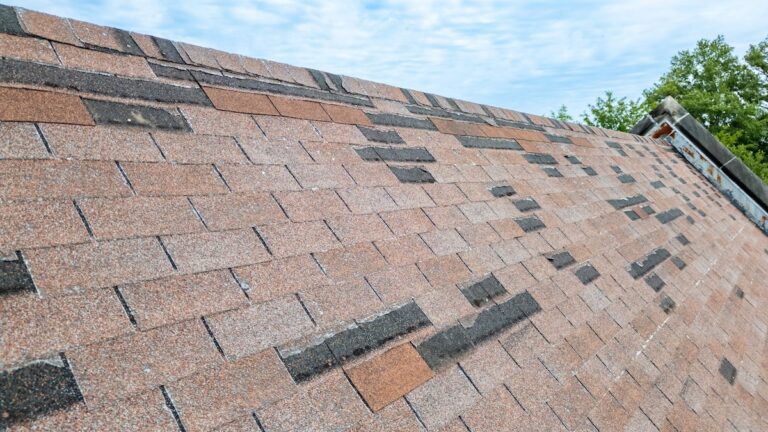
So, you’re thinking about a new roof, huh? It’s a big deal, and one of the first things that comes to mind is probably, ‘How much is this going to set me back?’ Especially when you’re trying to figure out the whole metal roof vs shingles cost thing. It’s not just about the sticker price when you buy it; there are a bunch of other things to think about, like how long it’ll last, if it’ll save you money on energy bills, and even what it does for your home’s value. We’re going to break down all that stuff to help you make a smart choice for your place in 2025.
Key Takeaways
- Metal roofs usually cost more up front than shingles, but they can save you money over time because they last longer and are more energy efficient.
- The kind of material you pick for your roof, like steel or asphalt, really changes the price tag. Also, how complicated your roof’s shape is can make installation more expensive.
- Don’t forget about the hidden costs! Things like getting permits, taking off your old roof, and fixing any damage underneath can add a lot to the total bill.
- Professional installation is smart, even if it costs more. Doing it yourself might seem cheaper, but it’s risky and could lead to bigger problems later on.
- Think about the long game: a metal roof might boost your home’s resale value and cut down on energy bills, making it a good investment for the future.
Understanding Metal Roof vs Shingles Cost
Initial Investment Differences
Okay, let’s get straight to it. The first thing you’ll notice is that metal roofs usually have a higher initial cost than asphalt shingles. It’s just a fact. You’re paying more upfront, no way around it. But don’t freak out just yet! Shingles are often seen as the budget-friendly option when you’re first shelling out the cash. However, that’s not the whole story, and we’ll get into why.
Long-Term Value Proposition
Here’s where things get interesting: metal roofs can actually save you money in the long run. Think of it like this: you can buy a cheap car that needs constant repairs, or a more expensive one that lasts for years with minimal issues. Metal roofs are the latter. They last way longer than shingles, meaning you won’t have to replace them as often. Plus, they can be more energy-efficient, which lowers your utility bills. So, while the initial cost is higher, the long-term value can be much better. It’s all about playing the long game.
Factors Influencing Overall Price
Several things affect the final price of both metal and shingle roofs. For metal, the type of metal (steel, aluminum, copper, etc.) makes a big difference. The thickness of the panels also matters; thicker panels cost more but last longer. For shingles, the type of shingle (asphalt, wood, tile, slate) greatly impacts the price. Also, things like the complexity of your roof design and any extra features you want (like special coatings or finishes) will add to the cost. Don’t forget about labor costs, which can vary depending on where you live and the contractor you hire.
It’s important to get multiple quotes and really understand what you’re paying for. Don’t just look at the bottom line; consider the lifespan, energy efficiency, and maintenance costs of each option. A little research now can save you a lot of money (and headaches) later.
Key Cost Factors for Metal Roofing
Material Type and Thickness
The type of metal you pick for your roof really impacts the price. Steel, aluminum, copper, and zinc all have different costs. Also, the thickness of the metal matters. Thicker panels, measured by gauge (lower gauge number means thicker metal), are more durable but cost more upfront. It’s a balance between initial cost and long-term performance. For example, some homeowners might want wider panels even if they are more expensive because they need fewer of them to cover the roof.
Roof Design Complexity
The more complicated your roof design, the more it’s going to cost. Roofs with lots of corners, chimneys, or skylights need more time and skill to cover. This increases labor costs. Simple roof designs are cheaper to install than complex ones. Accessibility also plays a role; if it’s hard to get to your roof, that can also push up the price.
Additional Features and Finishes
Beyond the basic materials, there are extra costs to think about. Custom colors and finishes can add a significant amount to the total price. Also, things like solar power readiness or specialized coatings for extra energy efficiency can increase the initial investment. However, these features might save you money in the long run. Don’t forget about the cost of a metal roof is also influenced by location.
Picking a seamless metal roof means looking at the full picture. Factor in these extras and you can budget smartly for your new roof.
Here are some additional cost considerations:
- Permits: Your city might need you to get a permit before starting your roofing project.
- Old Roof Removal: Getting rid of an old roof adds to the bill. Expect to pay per square foot for this service.
- Decking Inspection and Repair: A pro will check the wooden base of your roof for damage. Fixing rot or mold can be pricey but it’s crucial.
Shingle Roofing Cost Considerations
Asphalt Shingle Affordability
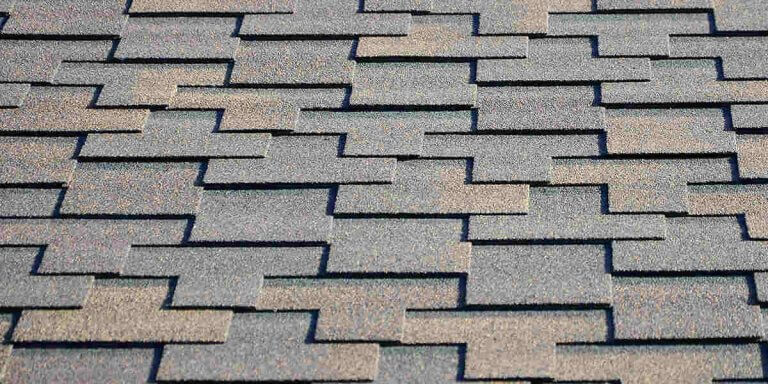
Asphalt shingles are often seen as the budget-friendly option when it comes to roofing. The initial cost is lower compared to metal or other premium materials. You can typically find them priced between $3 and $5 per square foot, making them attractive for homeowners watching their wallets. However, it’s important to remember that this lower price tag comes with trade-offs. Asphalt shingles generally have a shorter lifespan than metal roofs, usually lasting between 15 and 30 years, and they might need more frequent repairs. So, while the upfront cost is appealing, consider the long-term expenses of replacement and maintenance.
Wood Shingle Risks and Costs
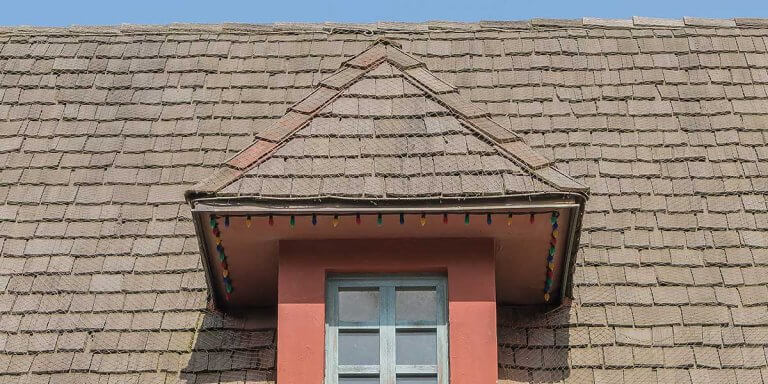
Wood shingles offer a unique, natural look that many homeowners find appealing. However, this aesthetic comes at a higher price, both initially and over time. Wood shingles can cost anywhere from $6 to $12 per square foot, depending on the type of wood and the quality of the shingles. Beyond the material cost, there are other factors to consider:
- Maintenance: Wood shingles require regular maintenance, including treatments to prevent rot, insect infestation, and fire. Neglecting this can significantly shorten their lifespan.
- Fire Resistance: Wood is naturally flammable, so fire-resistant treatments are often necessary, adding to the overall cost.
- Local Regulations: Some areas have restrictions on wood shingles due to fire concerns, so it’s important to check local building codes before making a decision.
Choosing wood shingles means committing to a higher level of upkeep and potentially facing increased insurance premiums due to the fire risk. While they can add character to a home, it’s important to weigh the aesthetic benefits against the practical and financial implications.
Tile and Slate Roof Premium
Tile and slate roofs represent the high end of shingle roofing options, offering exceptional durability and a distinctive appearance. These materials can last for 50 years or more, but they come with a significant upfront investment. Tile roofing typically ranges from $7 to $30 per square foot, while slate can cost between $15 and $30 per square foot. The higher cost is due to several factors:
- Material Cost: Both tile and slate are more expensive to produce and transport than asphalt or wood shingles.
- Installation: Installing tile and slate requires specialized skills and experience, which translates to higher labor costs.
- Structural Support: These materials are heavy, so your roof structure might need reinforcement to support the added weight, further increasing the overall project cost.
Here’s a quick comparison table:
| Material | Cost per sq ft | Lifespan | Maintenance |
|---|---|---|---|
| Asphalt | $3-$5 | 15-30 yrs | Moderate |
| Wood | $6-$12 | 20-40 yrs | High |
| Tile | $7-$30 | 50+ yrs | Low to Moderate |
| Slate | $15-$30 | 50-100 yrs | Low |
Installation Costs and Labor
Professional Installation Benefits
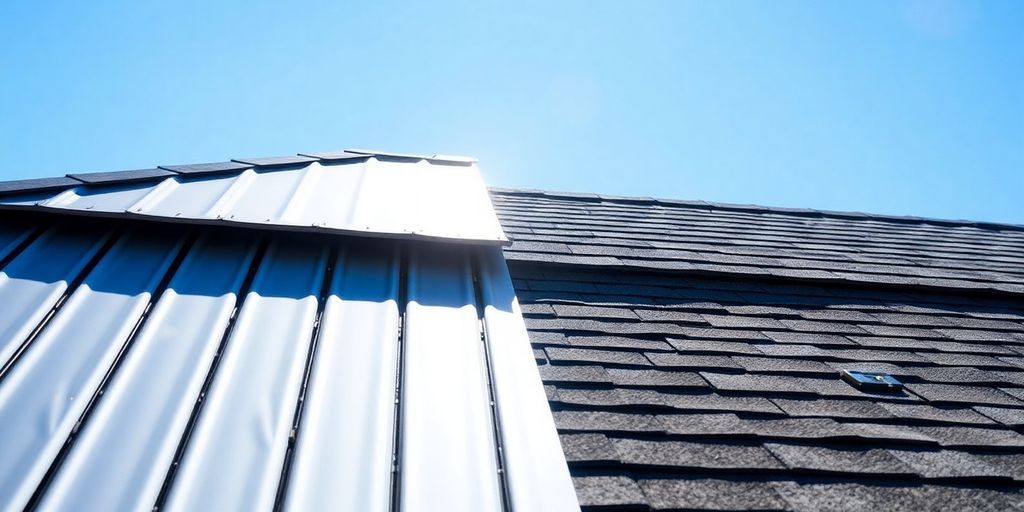
Choosing professional installation for either a metal or shingle roof is a big decision, and it’s not just about convenience. It’s about ensuring the job is done right, minimizing future problems, and maximizing the lifespan of your new roof. A skilled crew brings experience, the right tools, and knowledge of local building codes. They can spot potential issues, like inadequate roof decking, before they become costly headaches. Plus, many manufacturers require professional installation to honor their warranties.
DIY Installation Risks
While DIY installation might seem like a way to save money, it comes with significant risks.
Consider these points:
- Safety: Roofing is dangerous work. Falls are a major concern, and proper safety equipment is a must.
- Quality: Even small mistakes can lead to leaks, structural damage, and voided warranties.
- Time: What seems like a weekend project can easily stretch into weeks, especially if you run into unexpected problems.
Attempting a DIY roof installation without the proper skills and experience can end up costing you more in the long run. Repairs, material waste, and potential injuries can quickly eat away at any initial savings. It’s often better to leave it to the pros.
Accessibility and Project Complexity
The ease of accessing your roof plays a big role in installation costs. A steep roof, multiple stories, or obstacles like trees and power lines can all increase labor time and require specialized equipment. The complexity of the roof design also matters. A simple gable roof is much easier to work on than a roof with dormers, skylights, or multiple angles. These factors will influence the final labor costs quoted by contractors.
Hidden Costs and Unexpected Expenses
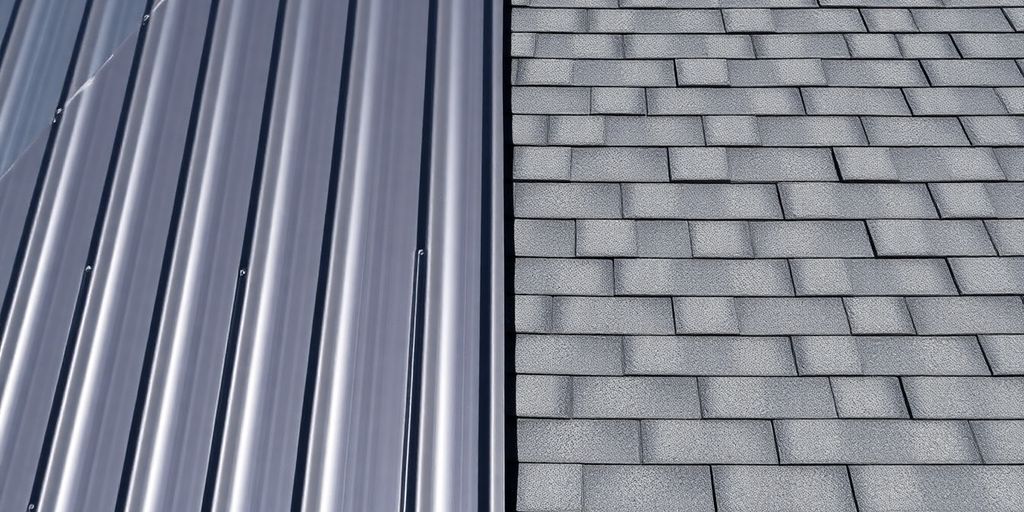
It’s easy to focus on the big numbers when budgeting for a new roof, but overlooking the smaller, less obvious expenses can really throw a wrench in your plans. Let’s break down some of those sneaky costs that might pop up during your roofing project.
Permits and Regulations
Before you even think about tearing off your old roof, you’ll need to check with your local authorities about permits. Permit fees vary widely depending on where you live and the scope of the project. Don’t skip this step! Ignoring permit requirements can lead to hefty fines and even project shutdowns. It’s also worth noting that some areas have specific regulations about the types of roofing materials you can use, especially in historic districts or areas prone to certain weather conditions. Make sure your chosen material complies with local codes.
Old Roof Removal and Disposal
Getting rid of your old roof isn’t free. The cost of removal and disposal can add a significant chunk to your overall expenses. You’ll likely need to rent a dumpster, and disposal fees at landfills can vary. The type of roofing material also affects disposal costs; for example, asphalt shingles are often cheaper to dispose of than heavier materials like tile or slate. Consider these factors when comparing roof overlay versus tear-off.
Decking Inspection and Repair
Once the old roof is off, it’s time to inspect the decking underneath. This is the plywood or OSB that provides a base for your roofing material. If the decking is damaged from leaks, rot, or age, it’ll need to be repaired or replaced. This is an unpredictable cost because you won’t know the extent of the damage until the old roof is removed. It’s always a good idea to budget for some decking repairs, just in case. Ignoring damaged decking can compromise the integrity of your new roof and lead to problems down the road.
Budgeting for roofing projects can be tricky. It’s always best to overestimate rather than underestimate. Unexpected issues always seem to arise, and having a financial cushion can prevent a lot of stress and headaches. Don’t forget to factor in a contingency fund for those ‘just in case’ moments.
Comparing Lifespan and Durability
Metal Roof Longevity
Metal roofs are known for their impressive lifespan. They can last anywhere from 40 to 70 years, and sometimes even longer with proper maintenance. This is significantly longer than most other roofing materials. Think of it as a generational roof – you might only need to install one in your lifetime! This longevity stems from the material’s resistance to common issues like rot, pests, and certain weather conditions.
Shingle Roof Lifespan Variations
Shingle roofs, particularly asphalt shingles, have a shorter lifespan compared to metal. You’re typically looking at 15 to 30 years, depending on the quality of the shingles and the climate. Other shingle types, like wood, tile, or slate, can offer varying degrees of durability. Wood shingles, while aesthetically pleasing, are prone to moisture damage and insect infestations, potentially shortening their lifespan. Tile and slate roofs can last a long time, often exceeding 50 years, but they come with a higher initial cost. Choosing the right shingle depends on balancing cost with expected lifespan. For example, asphalt shingles are more affordable but require more frequent replacement.
Weather Resistance and Maintenance
Weather resistance is a major factor in roof lifespan. Metal roofs excel in this area, often withstanding high winds, heavy snow, and even fire. They also require minimal maintenance, saving you time and money in the long run. Shingle roofs, on the other hand, can be more susceptible to damage from extreme weather. Asphalt shingles can crack or lose granules over time, while wood shingles can warp or rot. Regular maintenance, such as cleaning and repairs, is crucial to extending the lifespan of a shingle roof.
Choosing a roofing material isn’t just about the upfront cost; it’s about the long-term investment. Consider the climate you live in, the potential for extreme weather, and how much time and money you’re willing to spend on maintenance. A longer-lasting roof might cost more initially, but it could save you a significant amount of money over its lifespan.
Energy Efficiency and Resale Value
Metal Roof Energy Savings
Metal roofs are pretty awesome when it comes to saving energy. They reflect sunlight instead of absorbing it, which can seriously cut down on your cooling bills during the summer. I remember when my neighbor switched to a metal roof; he was telling me how much lower his electricity bill was. It’s not just a little bit either; some studies show you could save up to 25% on your cooling costs. Plus, many metal roofs are made from recycled materials, which is a nice bonus for the environment.
Impact on Home Resale Value
Thinking about selling your house down the road? A metal roof can be a real selling point. Potential buyers like the idea of a roof that’s going to last for decades and save them money on energy bills. It’s a feature that sets your home apart from others with traditional asphalt shingles. A new metal roof tells future owners they won’t have to worry about replacing it soon.
A metal roof is a long-term investment that can pay off for both current and future homeowners. It’s something to consider if you’re planning to stay in your home for a while or if you’re thinking about selling in the next few years.
Long-Term Financial Benefits
Okay, so metal roofs cost more upfront, but let’s talk about the long game. You won’t have to replace it nearly as often as asphalt shingles, which means less money spent on roofing over the years. Plus, the energy savings add up, and you might even get a break on your homeowner’s insurance because metal roofs are super durable and fire-resistant. Here’s a quick look at how the costs can stack up:
- Lower energy bills over time
- Less frequent replacements
- Potential insurance discounts
It’s like paying a bit more now to save a lot more later. It’s something I’m seriously considering for my own place. Plus, they offer great protection against fires. They’re made from materials that don’t catch fire easily, giving your home an extra safety layer. This type of roof has a top fire-resistance rating, so you can feel more secure during wildfire season or if a nearby house catches on fire.
Wrapping It Up: Making Your Roofing Choice
So, when it comes to picking between a metal roof and shingles, there’s a lot to think about beyond just the sticker price. Sure, metal roofs usually cost more upfront. But then you look at how long they last, how much you save on energy bills, and how little work they need, and suddenly that higher initial cost starts to make a lot more sense. Shingles are cheaper to put on, no doubt, but you’ll probably be replacing them sooner, and they don’t do as much for your home’s value or energy use. Ultimately, your best bet is to really think about your budget, how long you plan to stay in your house, and what kind of weather your home deals with. Get some quotes, ask around, and pick the roof that feels right for you and your home.
Frequently Asked Questions
Which type of roof costs more initially: metal or shingles?
Generally, metal roofs cost more upfront than shingle roofs. However, metal roofs often last much longer and can save you money on energy bills over time, making them a good long-term investment.
How long do metal roofs last compared to shingle roofs?
Metal roofs typically last 40-70 years, sometimes even longer. Shingle roofs, especially asphalt ones, usually last 15-30 years. So, metal roofs win by a lot in terms of how long they last.
Can a metal roof help me save money on my energy bills?
Yes, metal roofs can help you save money on your energy bills. They reflect sunlight, which keeps your house cooler in the summer. This means your air conditioner doesn’t have to work as hard, using less electricity.
What factors affect the total cost of a new roof?
The cost of a new roof depends on several things, like the type of material you choose, how big and complex your roof is, and how much labor costs in your area. Also, you might have extra costs for removing the old roof or getting permits.
Is it cheaper to install a roof myself or hire professionals?
While DIY might seem cheaper, installing a roof is a big, risky job that needs special tools and skills. It’s usually best to hire professionals to make sure the job is done right and safely, and they often provide warranties too.
How do metal roofs and shingle roofs handle severe weather?
Metal roofs are very tough against bad weather like strong winds, heavy rain, and hail. They are also fire-resistant. Shingle roofs can also be durable, but they might not hold up as well in extreme weather or last as long as metal.