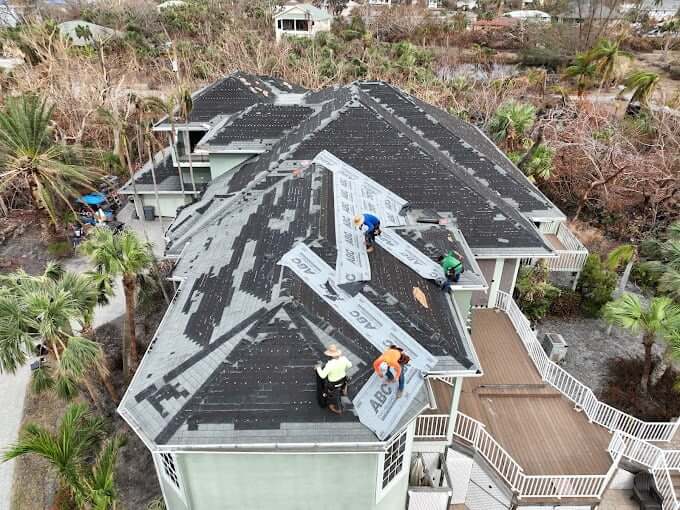
Owning a home in Florida is pretty great, but the weather can be a real headache. Hurricanes, big storms, all that stuff can really mess up a roof. So, if you live here, you really need to know if your insurance will cover roof replacement in Florida. It’s super important to understand your policy, what it covers, and what it doesn’t. This guide will help you figure out how your Florida homeowners insurance works for your roof.
Key Takeaways
- Roof damage is a common problem in Florida, often caused by storms or other sudden events.
- If you’re a homeowner in Florida and need to file a roof damage claim, there are steps you can take to help get the coverage you deserve.
- Consider getting help from professionals like experienced attorneys or public adjusters, and make sure to collect all your documents.
- Getting a good roof inspection and picking a reliable contractor who knows local rules is a smart move.
- Understanding what your policy covers, including things like depreciation, can help you get the most from your roof replacement claim.
Understanding Florida Homeowners Insurance For Roofs
Florida living is great, right? Beaches, sunshine… but then there’s hurricane season. And that means your roof is basically on the front lines. So, understanding your homeowners insurance policies specific to Florida is super important, especially when it comes to roof coverage. Let’s break it down.
Key Terms In Your Policy
Insurance policies are full of jargon, I know. But knowing a few key terms can save you a headache later. “Dwelling coverage” is the big one – it covers the actual structure of your house, including the roof. Think of it as the foundation of your protection. Also, “loss of use” coverage can help with living expenses if you have to move out while your roof is being repaired. Don’t skip over the fine print!
Dwelling Coverage Explained
Dwelling coverage isn’t just about replacing shingles. It’s about restoring your home to its pre-damage condition. This includes the cost of materials, labor, and even things like removing debris. But remember, the amount of coverage you have is limited by your policy. Make sure you have enough to actually rebuild your roof if something serious happens. It’s better to be over-prepared than under.
Additional Specialty Coverage Needs
Standard homeowners insurance doesn’t cover everything. For example, flood damage is usually a separate policy. And depending on where you live in Florida, you might want to consider extra coverage for things like wind damage or hail. It’s all about assessing your risk and making sure you’re protected against the most likely threats. Think of it as building a safety net for your home.
It’s easy to assume your insurance covers everything, but that’s rarely the case. Take the time to read your policy, ask questions, and understand your coverage limits. A little bit of research now can save you a lot of money and stress down the road.
Covered Perils For Roof Damage In Florida
Living in Florida means your roof faces some serious weather. It’s not just the sunshine; we’re talking hurricanes, strong winds, and the occasional hailstorm. Knowing what your insurance covers is super important. Let’s break down the common covered perils.
Wind-Related Damage Coverage
Florida homeowners know all too well the power of wind, especially during hurricane season. Most policies cover damage from hurricanes, tropical storms, and even just plain high winds. But, and this is a big but, you need to check your policy’s fine print. Some policies have specific windstorm deductibles, which can be higher than your regular deductible. Make sure you understand what triggers that deductible and how much it is. It could save you from a nasty surprise later on. It’s also worth noting that the age and condition of your roof can play a role in whether or not the damage is covered. If your roof was already in bad shape before the storm, the insurance company might try to deny the claim. Understanding wind damage coverage is key.
Hail Damage Protection
Hailstorms can be brutal on roofs. Those little ice balls can cause dents, cracks, and even knock off shingles. Most homeowners insurance policies in Florida do cover hail damage, but again, read the fine print. Some policies might have exclusions or limitations, especially if your roof is older. It’s a good idea to have your roof inspected after a hailstorm, even if you don’t see any obvious damage. Sometimes the damage is subtle and can lead to bigger problems down the road. Plus, documenting the damage right away can help with your insurance claim. Remember, timing is everything.
Water Intrusion Coverage
Water, water everywhere, and not a drop to drink… unless it’s leaking through your roof! Water intrusion can cause major damage to your home, leading to mold, rot, and structural problems. Luckily, most homeowners policies cover roof leaks and water damage that result from a covered peril, like a storm. So, if a hurricane tears off some shingles and rain gets in, you should be covered. However, if the leak is caused by something like gradual wear and tear, you’re probably out of luck. It’s important to act fast when you notice a leak. The longer you wait, the worse the damage will get, and the harder it might be to get your insurance company to pay up. Make sure you understand your Florida homeowners insurance policies.
Impact Damage From Falling Objects
Falling trees, branches, or even space debris (okay, maybe not space debris, but you never know!) can cause serious roof damage. Most homeowners policies cover damage from falling objects, but there are a few things to keep in mind. First, the object has to actually fall. If a tree is leaning against your roof and causing damage, that might not be covered. Second, the damage has to be accidental. If you intentionally cut down a tree and it falls on your roof, you’re on your own. And third, make sure you document everything. Take pictures of the damage, the object that caused it, and anything else that might be relevant to your claim.
It’s important to remember that every insurance policy is different. What’s covered under one policy might not be covered under another. That’s why it’s so important to read your policy carefully and understand what your rights and responsibilities are. If you have any questions, don’t hesitate to call your insurance agent or a qualified attorney. They can help you understand your policy and make sure you’re adequately protected.
Exclusions And Limitations In Roof Damage Coverage
Homeowners insurance in Florida is great, but it doesn’t cover everything. It’s super important to know what your policy doesn’t cover when it comes to roof damage. Understanding these exclusions can save you from unpleasant surprises down the road.
Gradual Deterioration And Normal Wear And Tear
One of the biggest things to keep in mind is that insurance usually won’t pay for damage that happens slowly over time. Think of it like this: your roof is getting old, the sun is beating down on it, and eventually, it just wears out. That’s normal wear and tear, and it’s generally your responsibility to maintain your roof and replace it when it reaches the end of its lifespan. This includes things like:
- Cracking or curling shingles due to age
- Granule loss on shingles
- Rusting or corrosion
- Dry rot
Pre-Existing Conditions And Structural Issues
If your roof already had problems before you got your insurance policy, or if there are underlying structural issues with your home, your insurance company might not cover damage related to those problems. For example, if your roof was improperly installed and that leads to leaks, the insurance company could deny your claim. It’s a good idea to get a roof inspection before you even get insurance, just to be safe.
Policy Deductibles And Coverage Limitations
Even if your roof damage is covered, you’ll still have to pay your deductible. This is the amount of money you pay out-of-pocket before your insurance kicks in. Also, some policies have coverage limitations, especially for older roofs. They might only pay the actual cash value (ACV) of the roof, which is the replacement cost minus depreciation, instead of the full replacement cost. Some policies may also have a higher deductible for damage from hurricanes or hailstorms.
It’s really important to read your insurance policy carefully and understand what’s covered and what’s not. Don’t be afraid to ask your insurance agent questions if you’re unsure about anything. Knowing the exclusions and limitations can help you avoid surprises and make sure you’re adequately protected.
Florida-Specific Considerations For Roof Repairs And Replacements
If you’re a homeowner in Florida, there are some things you really need to keep in mind when dealing with roof repairs or replacements. It’s not quite the same as dealing with these issues in other states, thanks to our lovely weather and specific regulations.
Adhering To Building Code Compliance
Florida has some pretty strict building codes, especially when it comes to roofs. This is because we get hit with hurricanes and strong storms pretty often. You can’t just slap any old roof on your house; it needs to meet certain standards to withstand high winds and heavy rain. Make sure any work done on your roof follows these codes. It’s not just about safety; it’s also about making sure your insurance company doesn’t give you a hard time later on. You should familiarize yourself with the applicable building codes in your county.
Navigating Hurricane Season Impacts
Hurricane season is a big deal here. It runs from June 1st to November 30th, and during that time, your roof is at risk. Here’s what you should do:
- Regularly inspect your roof before and after storms.
- Trim any trees that could fall on your roof.
- Make sure your gutters are clean to prevent water buildup.
Living in Florida means accepting the reality of hurricanes. It’s not a matter of if a storm will hit, but when. Preparing your roof and understanding how hurricanes can affect it is just part of being a responsible homeowner here.
Understanding State-Specific Regulations
Florida has some unique rules about roof repairs and replacements. For example, there are regulations about the types of materials you can use and how they need to be installed. Also, there are rules about Florida’s roofing assistance programs and how insurance companies handle roof claims. It’s a good idea to do your homework or talk to a professional to make sure you’re following all the rules. Ignoring these regulations can lead to problems down the road, like denied insurance claims or fines.
Navigating The Roof Damage Claim Process
Okay, so you’ve got roof damage. Now comes the fun part: dealing with the insurance company. It can feel overwhelming, but if you take it step by step, you can get through it. Here’s how I’d approach it.
Documenting Your Roof Damage
The first thing you need to do is document everything. I mean everything. Photos, videos, notes… the more, the better. Don’t just take pictures of the big obvious stuff. Get close-ups of every little crack, missing shingle, or water stain. It’s also a good idea to take photos of the surrounding area, like any fallen trees or debris that might have caused the damage. This is your evidence, so make it count. I’d also suggest getting a professional inspection ASAP.
Communicating With Your Insurer
Once you’ve got your documentation, it’s time to contact your insurance company. Be prepared to answer a lot of questions. They’ll probably want to know the date the damage occurred, the cause of the damage, and the extent of the damage. Be honest and clear, but don’t offer up any extra information that they don’t ask for. Keep a record of every conversation you have with them, including the date, time, and the name of the person you spoke with. Follow up emails are a great way to keep track of things. Remember, you’re building a case here. Make sure you check coverage before you call.
The Role Of Public Adjusters
Sometimes, dealing with the insurance company can be a real headache. That’s where public adjusters come in. They’re basically like your advocate in the claims process. They can help you assess the damage, file your claim, and negotiate with the insurance company on your behalf. Of course, they charge a fee (usually a percentage of your settlement), so you’ll need to weigh the costs and benefits. But if you’re feeling overwhelmed or like the insurance company isn’t being fair, a public adjuster might be worth the investment.
It’s important to remember that the insurance company is a business. They’re not necessarily trying to cheat you, but they are trying to minimize their losses. That’s why it’s so important to be prepared, to document everything, and to know your rights. Don’t be afraid to push back if you think they’re not being fair. You pay your premiums, and you deserve to get what you’re entitled to.
Resolving Denied Roof Damage Insurance Claims
So, you filed a roof damage claim, and the insurance company said no? It’s frustrating, but don’t give up just yet. There are steps you can take to fight the denial and hopefully get the coverage you deserve. It’s not always a straightforward process, but understanding your options is the first step.
Reviewing The Denial Letter
First things first: read that denial letter very carefully. The insurance company is required to tell you exactly why they denied your claim. Look for specific reasons, like policy exclusions, alleged pre-existing damage, or disagreements about the cause of the damage. Understanding their reasoning is key to building your appeal. Sometimes, it’s something simple that can be easily addressed with more information. Other times, it might point to a bigger issue with your policy or the way the damage was assessed. Don’t just skim it – really dig in and understand what they’re saying. If you don’t understand something, call them and ask for clarification. It’s your right to know.
Gathering Supporting Documentation
Okay, you know why they denied the claim. Now it’s time to build your case. This means gathering everything that supports your claim that the damage is covered. Think of it like this: you’re trying to convince them they made a mistake. What evidence do you have? Here’s a checklist:
- Photos and videos of the damage (before and after any temporary repairs).
- Original receipts for your roof installation, repairs, or maintenance.
- Independent inspection reports from licensed roofing contractors. Getting a professional roof inspections is a good idea.
- Weather reports from the time of the damage (proving it was caused by a covered peril like wind or hail).
- Your complete insurance policy (so you can point to the specific coverage you believe applies).
Basically, anything that helps prove the damage was caused by a covered event and that your roof was in good condition before the damage occurred. The more documentation you have, the stronger your case will be.
Seeking Legal Counsel For Denied Claims
If you’ve tried appealing the denial yourself and you’re still getting nowhere, it might be time to call in the pros. A Florida-based attorney specializing in insurance claim disputes can be a game-changer. They know the ins and outs of Florida insurance law, and they can assess your case to see if you have a valid claim. Plus, insurance companies often take claims more seriously when an attorney is involved. They can help with things like:
- Reviewing your policy and the denial letter to identify any legal arguments.
- Negotiating with the insurance company on your behalf.
- Filing a lawsuit if necessary to dispute a denied roof insurance claim.
Look, hiring a lawyer costs money, but if you have a significant claim, it could be worth it in the long run. Many attorneys offer free consultations, so it doesn’t hurt to get a second opinion. Just make sure you find someone with experience in Florida roof damage claims. It can make all the difference.
Maximizing Your Roof Replacement Claim
Getting your roof replaced isn’t exactly a walk in the park, especially when you’re dealing with insurance. It can be a real headache. But, with a bit of preparation and know-how, you can seriously improve your chances of getting a fair settlement. Let’s break down how to make the most of your roof replacement claim.
Professional Roof Inspections
First things first, get a professional inspection. Don’t just eyeball it yourself. A qualified inspector knows what to look for and can provide a detailed report that’s super helpful when you file your claim. They can spot hidden damage and give you solid evidence to back up your claim. Plus, insurance companies take these reports seriously. It’s worth the investment.
Choosing Reputable Contractors
Picking the right contractor is a big deal. You don’t want some fly-by-night operation doing shoddy work. Look for someone with a solid reputation, good reviews, and proper licensing. Get a few quotes and compare them. A good contractor can also help you navigate the claim process and make sure everything is done by the book. They’ve seen it all before, so they know what the insurance company is looking for.
Here’s a quick checklist for choosing a contractor:
- Check their license and insurance.
- Read online reviews and ask for references.
- Get a detailed written estimate.
- Make sure they’re familiar with insurance claims.
Understanding Depreciation And Actual Cash Value
Okay, this is where things can get a bit tricky. Insurance companies often use something called “depreciation” to figure out how much they’ll pay for your roof. There are two main ways they do this: Actual Cash Value (ACV) and Replacement Cost Value (RCV).
ACV takes into account the age of your roof and how much it has depreciated over time. So, if your roof is 15 years old, they’ll subtract the depreciation from the cost of a new roof. RCV, on the other hand, covers the full cost of replacing your roof with a new one, without deducting for depreciation. Understanding the difference between ACV and RCV is key to maximizing your claim.
It’s important to know what type of coverage you have. If you have ACV, you’ll likely have to pay some money out of pocket to cover the depreciation. If you have RCV, you’ll get the full replacement cost, but your premiums might be higher. Check your policy carefully to see what you’re covered for.
Here’s a simple table to illustrate the difference:
| Feature | Actual Cash Value (ACV) | Replacement Cost Value (RCV) |
|---|---|---|
| Coverage | Depreciated Value | Full Replacement Cost |
| Out-of-Pocket Costs | Higher | Lower |
| Premiums | Lower | Higher |
Knowing these details can really help you when you’re filing a roofing insurance claim.

Getting a new roof can be a big deal, and making sure your insurance claim goes smoothly is super important. Don’t leave money on the table! Our team knows all the ins and outs of dealing with insurance companies to get you the most for your roof replacement. We’re here to help you every step of the way, making sure you understand everything and get what you deserve. Want to learn more about how we can help you with your claim? Visit our website today!
Wrapping It Up: Your Florida Roof and Insurance
So, there you have it. Dealing with roof damage in Florida, especially when you need to get your insurance involved, can feel like a lot. It’s not always straightforward, and sometimes you might even get a claim denied. But knowing what your policy covers, what it doesn’t, and what steps to take if something goes wrong can make a big difference. Keep good records, understand those tricky terms, and don’t be afraid to ask for help if things get too complicated. Your roof protects your home, and making sure it’s covered is just part of being a homeowner in the Sunshine State.
Frequently Asked Questions
Does my Florida homeowners insurance typically pay for a new roof?
Most standard homeowners insurance plans in Florida cover roof replacement if the damage comes from sudden, unexpected events like wind, hail, or falling objects. However, they usually don’t cover damage from old age or poor upkeep. Always check your specific policy to know what’s covered.
Will my insurance cover roof damage if it’s just from getting old?
No, regular wear and tear, like a roof just getting old, isn’t usually covered. Insurance is for sudden, unexpected damage, not for roofs that simply need replacing because they’ve reached the end of their life.
Is hurricane damage to my roof covered by insurance?
Yes, damage from hurricanes and strong winds is usually covered by Florida homeowners insurance. However, you might have a special deductible for hurricane damage, which means you’ll pay a certain amount out of pocket before your insurance kicks in.
What should I do if my roof damage claim is turned down?
If your roof claim is denied, first read the denial letter carefully to understand why. Then, gather all your evidence, like photos and repair estimates. You might also want to talk to a public adjuster or a lawyer who specializes in insurance claims to help you fight the decision.
What is a deductible, and how does it affect my roof claim?
A deductible is the amount of money you have to pay yourself before your insurance company starts paying for the damage. For example, if your deductible is $1,000 and the repair costs $5,000, you pay the first $1,000, and your insurance pays the remaining $4,000.
What’s the best way to document roof damage for an insurance claim?
It’s super important to take clear photos and videos of all the damage as soon as you can. Also, keep detailed notes of when the damage happened and any conversations you have with your insurance company. This helps prove your case.