Picking out the right roof for your Florida house is a big deal. The weather here is pretty intense—lots of sun, humidity, rain, and hurricanes. So, you need something tough that can handle all that. There are tons of options out there, which can make it hard to choose. This guide will help you figure out what’s best for your home, thinking about how long it lasts, how much energy it saves, what it looks like, and how much work it takes to keep up.
Key Takeaways
- Florida’s weather, with its strong sun, high winds, and salty air, means your roof needs to be extra tough.
- Common roofing choices for Florida include asphalt shingles, metal, and tile. Each has its own good and bad points.
- When picking a roof, think about how long it will last, if it helps with energy bills, and if it looks good with your house.
- Look at the upfront cost, how much you’ll spend on repairs later, and if a new roof will make your home worth more.
- Always follow Florida’s building rules and look into how a new roof might affect your home insurance.
Understanding Florida’s Unique Roofing Challenges
Florida living is great, but it definitely puts your roof through the wringer. Between the scorching sun, hurricane-force winds, and salty air, your roof needs to be tough to survive. It’s not just about looks; it’s about protecting your home from some serious weather.
Intense Sun Exposure and UV Damage
Florida’s intense sun can really bake your roof, leading to fading, cracking, and a shorter lifespan. Think of it like leaving a plastic toy outside all summer – it just doesn’t hold up. Choosing materials that reflect sunlight and resist UV rays is super important. This not only helps your roof last longer but also keeps your house cooler, saving you money on energy bills. It’s a win-win!
High Wind Resistance
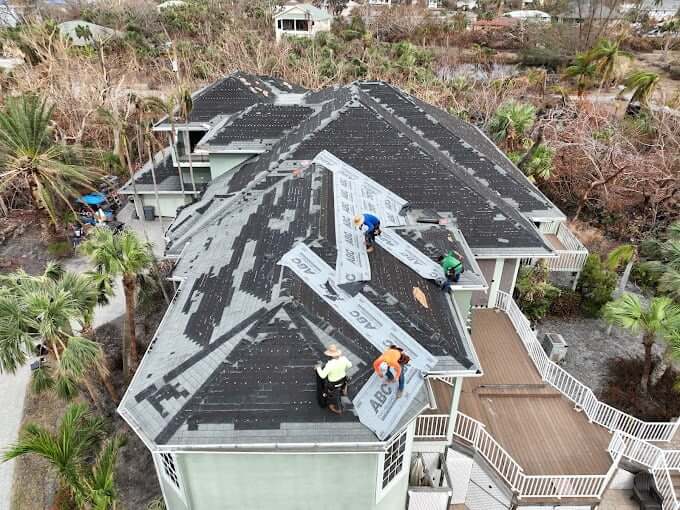
Hurricane season is a real thing here, and high winds can cause major damage. You don’t want shingles flying off every time a storm rolls through. That’s why it’s important to select roofing materials that can withstand those hurricane-force winds. Plus, there are building codes in place to make sure your roof is up to the task. A strong, well-installed roof is your first line of defense against storm damage.
Salt and Moisture Resistance
If you live near the coast, you know all about the salty air. It can corrode metal and cause mold growth, which is bad news for your roof. Materials that are resistant to salt and moisture are a must. Think about it – your roof is constantly exposed to these elements, so you need something that can handle it. Choosing the right materials can prevent costly repairs down the road.
Living in Florida means dealing with some pretty harsh conditions. Your roof is your home’s main protection against the elements, so it’s worth investing in materials that can stand up to the challenge. Regular inspections and proper maintenance can also help extend the life of your roof and keep your home safe and dry.
Popular Roofing Materials for Florida Homes
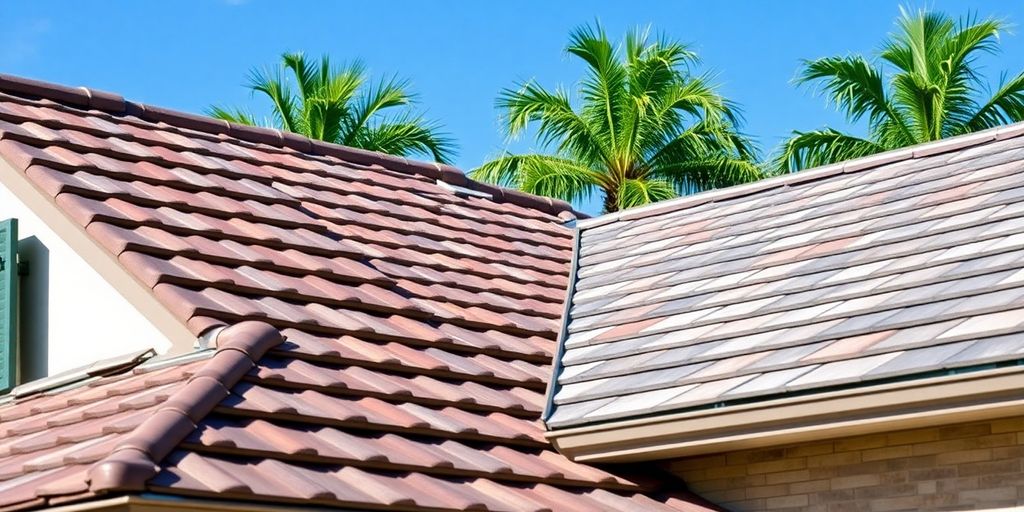
Okay, so you’re trying to figure out what kind of roof to put on your Florida home? There are a bunch of options, and honestly, it can be a little overwhelming. Let’s break down some of the popular choices and talk about what makes them good (or not so good) for our crazy Florida weather.
Asphalt Shingles
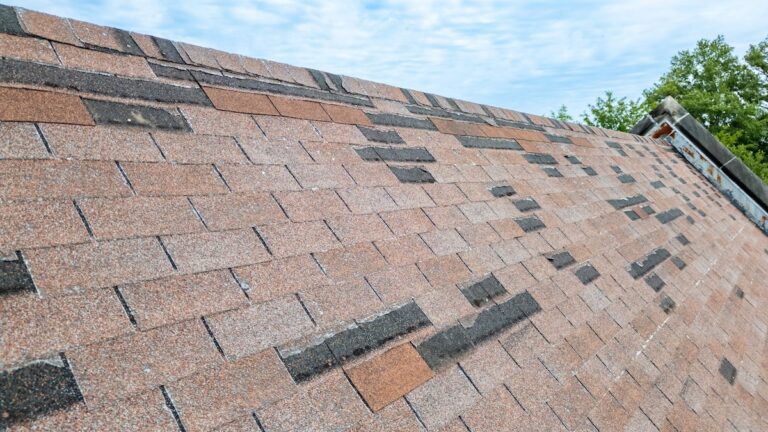
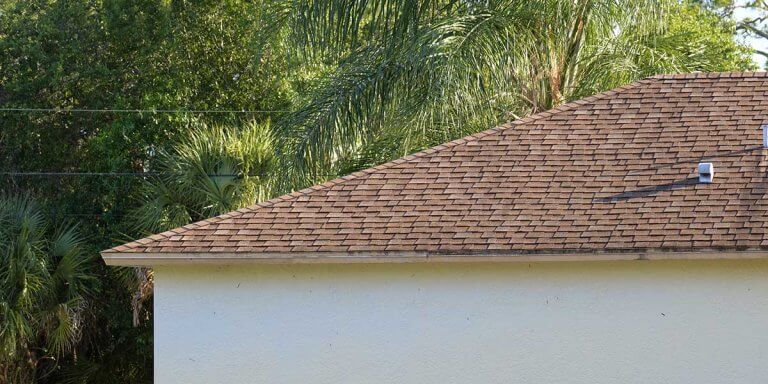
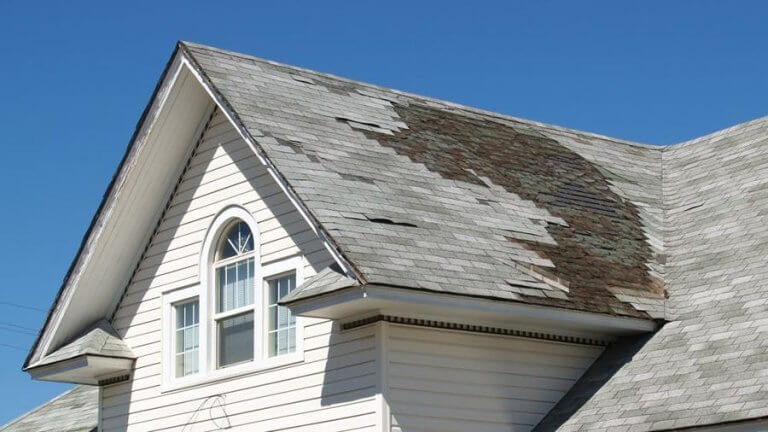
Asphalt shingles are like the old reliable of roofing. You see them everywhere because they’re generally the cheapest option upfront. They come in a ton of colors and styles, so you can probably find something that matches your house. The big downside is that they don’t last as long as some other materials, especially with the intense Florida sun beating down on them.
Here’s a quick rundown:
- Pros: Affordable, lots of style choices, easy to install. Great for homeowners looking for affordable roofing.
- Cons: Shorter lifespan, not the best for high winds, can absorb a lot of heat.
- Lifespan: Usually around 15-25 years in Florida.
Metal Roofing
Metal roofs are becoming super popular, and for good reason. They’re tough as nails and can really stand up to hurricanes. Plus, they reflect a lot of sunlight, which can help lower your energy bills. The initial cost is higher, but they last a really long time, so you might save money in the long run.
- Pros: Extremely durable, great in high winds, energy efficient, long lifespan.
- Cons: More expensive upfront, can be noisy during heavy rain, might dent.
- Lifespan: 40-70 years (or even longer!).
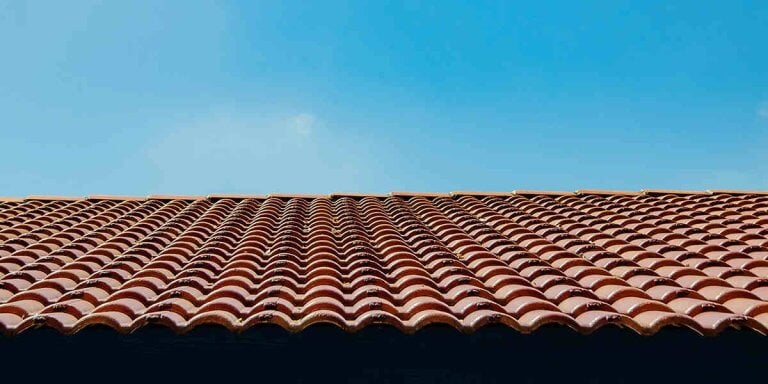
Tile Roofing
Tile roofs are classic, especially if you’re going for that Spanish or Mediterranean look. They’re super durable and can last for ages. They’re also really good at insulating your house, keeping it cooler in the summer. The downside? They’re heavy, so your roof structure might need extra support, and they’re not cheap.
Tile roofs are a great option if you want something that will last a lifetime and add a touch of elegance to your home. Just be prepared for the higher cost and the extra work involved in making sure your roof can handle the weight.
- Pros: Very long lasting, excellent insulation, beautiful look. Consider the benefits of tile roofing for your home.
- Cons: Expensive, heavy, can be brittle.
- Lifespan: 50+ years.
Slate Roofing
Slate roofing is like the Rolls Royce of roofing materials. It looks amazing and can literally last for over a century. It’s incredibly durable and fire-resistant. However, it’s also the most expensive option, and it’s extremely heavy, so you’ll definitely need to make sure your roof structure can handle it. Not many people go for slate here in Florida, but if you want the best of the best, it’s an option.
- Pros: Incredibly durable, beautiful, fire-resistant, long lifespan.
- Cons: Extremely expensive, very heavy, requires specialized installation.
- Lifespan: 75-150+ years.
Key Factors for Choosing the Best Roofing Materials for Florida Homes
Choosing the right roofing material in Florida is a big deal. It’s not just about looks; it’s about how well your roof can handle the intense Florida weather. You’ve got to think about sun, wind, rain, and even salt if you’re near the coast. Let’s break down the key things to keep in mind.
Durability and Longevity
Durability is king in Florida. You want a roof that can take a beating from the sun, strong winds, and heavy rain without falling apart. Think long-term. A roof that lasts longer means less hassle and expense down the road. Consider these points:
- Material Resistance: How well does the material resist UV rays, moisture, and impact?
- Lifespan Expectancy: What’s the expected lifespan of the roofing material in Florida’s climate?
- Maintenance Needs: How much upkeep will the roof require to maintain its integrity?
Energy Efficiency and Heat Reflection
Florida heat is no joke. An energy-efficient roof can make a huge difference in your energy bills. Look for materials that reflect sunlight and keep your attic cooler. This not only saves you money but also makes your home more comfortable. Here’s what to consider:
- Reflectivity: How well does the material reflect sunlight?
- Insulation: Does the material provide good insulation to keep heat out?
- Cool Roof Technology: Does the material incorporate cool roof technology to reduce heat absorption?
Aesthetic Appeal and Architectural Harmony
Okay, so it’s not all about function. You also want a roof that looks good and complements your home’s style. The right roof can boost your home’s curb appeal and even increase its value. Here’s what to think about:
- Style Options: Does the material come in a variety of styles and colors?
- Architectural Compatibility: Does the material match the architectural style of your home?
- Curb Appeal: How will the material affect the overall look and value of your home?
Choosing a roof is a big decision. It’s a balance between what looks good, what you can afford, and what will protect your home the best. Don’t rush the process. Do your research, talk to professionals, and make sure you’re making the right choice for your needs. Think about the best roofing materials for your home.

Comparing Roofing Material Costs and Value
Choosing a roof isn’t just about picking something that looks good; it’s a big investment. You need to think about what you’re paying now versus what you’ll save (or spend) later. Let’s break down the costs and value of different roofing options in Florida.
Initial Investment Considerations
Okay, so how much are we talking upfront? Asphalt shingles are usually the cheapest to install. Metal and tile roofs? They’ll hit your wallet harder initially. But don’t let that scare you off just yet. Think about it like this: buying a cheap car versus a reliable one. The cheap car might save you money now, but what about repairs down the road? Similarly, while asphalt shingles might be easy on the budget at first, they might not last as long as other materials, especially with Florida’s crazy weather. So, you’ll be replacing them sooner. Metal roofing, on the other hand, can be a bigger initial investment, but it can last for decades.
Long-Term Maintenance and Repair Costs
This is where things get interesting. Some roofs are like needy pets – always requiring attention and costing you money. Others are more like low-maintenance houseplants. Asphalt shingles, for example, might need repairs after a bad storm. Tile and metal roofs are generally tougher and require less upkeep. Think about the cost of potential repairs, like replacing damaged shingles or fixing leaks. Also, consider cleaning. Some materials collect more dirt and algae than others, which can affect their appearance and lifespan. Here’s a quick rundown:
- Asphalt Shingles: Moderate initial cost, but higher potential for repairs and shorter lifespan.
- Metal Roofing: Higher initial cost, but lower maintenance and longer lifespan.
- Tile Roofing: Higher initial cost, durable, but can be brittle and require specialized repairs.
Return on Investment and Home Value
A new roof can actually increase your home’s value. It’s not just about having a solid roof over your head; it’s about curb appeal and peace of mind for potential buyers. A durable, attractive roof can be a major selling point. Plus, some roofing materials can save you money on energy bills. Metal roofs, for instance, reflect sunlight, which can keep your house cooler and lower your AC costs. That’s money back in your pocket every month. When you’re thinking about ROI, consider these factors:
- Increased home value
- Energy savings
- Reduced insurance premiums (some materials qualify for discounts)
Choosing the right roofing material is a balancing act. You’ve got to weigh the initial cost against the long-term benefits. Think about how long you plan to stay in your home, your budget, and what’s important to you in terms of maintenance and energy efficiency. Do your homework, get quotes from several contractors, and don’t be afraid to ask questions. A well-informed decision can save you money and headaches in the long run.
Navigating Building Codes and Insurance Requirements
Florida Building Code Compliance
Florida’s building codes are no joke, especially when it comes to roofs. They’re designed to keep homes safe from hurricanes and other weather events. Making sure your new roof meets these codes is super important. It’s not just about passing inspection; it’s about protecting your home and family. The Florida Building Code (FBC) has specific requirements for roofing materials, installation methods, and wind resistance. These codes are updated regularly, so it’s a good idea to work with a roofing contractor who knows the latest rules. They can help you choose materials and installation techniques that meet or exceed the code requirements. This will save you headaches down the road.
Hurricane Preparedness and Wind Mitigation
Living in Florida means dealing with hurricanes. A strong roof is your first line of defense. Wind mitigation isn’t just a fancy term; it’s about taking steps to reduce the damage caused by high winds. This can include things like:
- Using impact-resistant roofing materials
- Reinforcing roof decking
- Sealing roof edges
- Bracing gable ends
These measures can significantly improve your roof’s ability to withstand hurricane-force winds. Plus, many of these improvements qualify you for insurance discounts. Speaking of which…
Insurance Premium Reductions
Did you know that upgrading your roof can actually save you money on your homeowner’s insurance? Insurance companies offer discounts for homes with features that reduce the risk of damage from wind and storms. This is where wind mitigation inspections come in. A certified inspector will assess your roof and identify any features that qualify for discounts. Common things that help are having a hip roof, using asphalt shingle roofing services, and having a newer roof that meets current building codes. The savings can be substantial, potentially offsetting a portion of the cost of your new roof over time. It’s worth looking into!
The Importance of Professional Roofing Installation
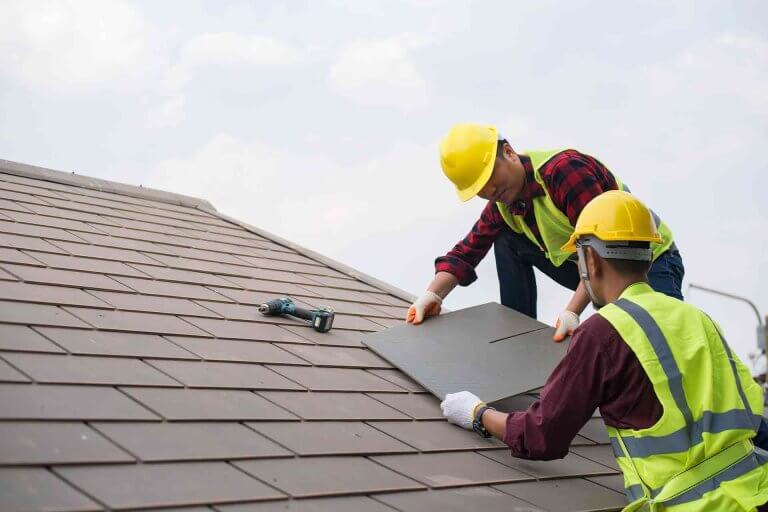
Choosing the right roofing material is a big step, but it’s only part of the process. Getting it installed correctly is just as important, maybe even more so. A bad install can ruin even the best materials, leading to leaks, damage, and a shorter lifespan for your roof. It’s like buying a fancy sports car and then letting your neighbor’s kid install the engine – not a good idea.
Selecting a Reputable Roofing Contractor
Finding a good roofing contractor can feel overwhelming. Start by asking friends, family, or neighbors for recommendations. Check online reviews, but take them with a grain of salt – some might be fake. Make sure the contractor is licensed and insured. Don’t be afraid to ask for references and call them. A good contractor should be happy to provide proof of their insurance premium reductions and previous work.
Here’s a quick checklist:
- Check licensing and insurance: Verify they’re up-to-date and valid in Florida.
- Read online reviews: Look for patterns, both good and bad.
- Get multiple quotes: Don’t just go with the cheapest option; consider experience and reputation.
Ensuring Proper Installation Techniques
Proper installation is key to a long-lasting roof. This means the contractor needs to follow manufacturer guidelines and local building codes. They should know how to properly install underlayment, flashing, and the roofing material itself. Watch out for contractors who cut corners or use cheap materials. A good contractor will explain the installation process in detail and answer any questions you have. They should also be familiar with roofing installation and maintenance services.
It’s easy to get caught up in the excitement of a new roof, but don’t forget to pay attention to the details. A properly installed roof will protect your home for years to come, while a poorly installed one can cause headaches and expenses down the road.
Warranty and Post-Installation Support
Make sure the roofing contractor offers a warranty on their work. This protects you if something goes wrong after the installation. Read the warranty carefully to understand what it covers and for how long. A good contractor will also provide post-installation support, answering any questions you have and addressing any issues that arise. Don’t be afraid to reach out if you notice something that doesn’t seem right. A solid warranty and good support are signs of a licensed roofing contractor who stands behind their work.
Getting a new roof put on your house is a big deal, and it’s super important to have pros do it right. A good installation means your roof will last longer and keep your home safe from bad weather. Don’t risk it with a shaky job; make sure your roof is put on by experts. Want to learn more about how we can help? Reach out to us today!
Wrapping It Up
So, picking the right roof for your Florida home is a pretty big deal. It’s not just about how it looks, but also how well it holds up to the sun, rain, and those crazy storms we get. By thinking about what Florida weather throws at us, checking out the different materials, and keeping a few key things in mind, you can make a smart choice. This will help your home stay safe and sound, and even look good, for a long time. It’s all about making a choice that works for you and your place.
Frequently Asked Questions
Why is choosing the right roof material so important in Florida?
Florida’s weather is really tough on roofs. We get lots of strong sun, heavy rains, high humidity, and even hurricanes. All these things can wear down a roof quickly, so you need materials that can handle it all.
What are the most common roof types used in Florida homes?
Asphalt shingles are popular because they don’t cost too much and come in many styles. Metal roofs last a super long time and are great in strong winds. Tile roofs look nice and are very tough, especially against heat and moisture. Each has its good points depending on what you need and like.
What should I consider when picking a new roof for my Florida home?
When picking a roof, think about how long it will last, if it helps keep your house cool (which saves on electric bills), and if it looks good with your home’s style. Also, check what the local building rules say and if your insurance company gives discounts for certain roof types.
How do roof material costs compare over time?
Some roofs cost more to put in at first, but they might save you money later because they last longer or help with energy bills. Others are cheaper upfront but might need more repairs or replacement sooner. It’s good to think about the total cost over many years, not just the starting price.
Do Florida’s building rules affect my roof choice?
Florida has strict building rules, especially for roofs, to make sure they can stand up to hurricanes. Many insurance companies also give you a break on your premium if you have a roof that’s built to resist strong winds. Always make sure your new roof meets these rules.
Why is a good roofing installer so important?
It’s super important to hire a good, experienced roofing company. They know how to put the roof on correctly so it lasts and protects your home. A good contractor will also offer a warranty, which means they stand by their work.