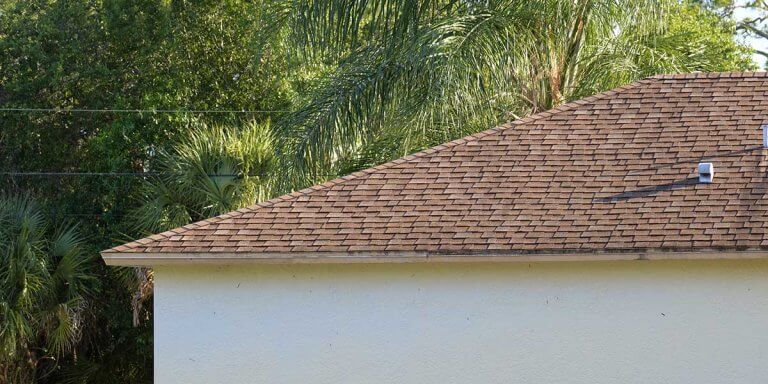
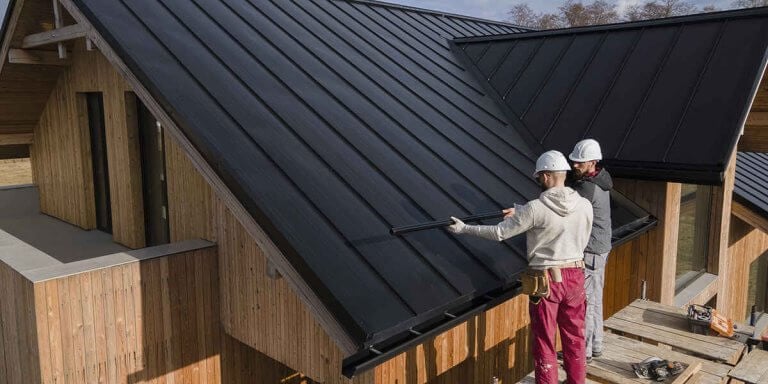
Living in Florida means your home’s roof takes a beating from the sun and storms. So, if you’re thinking about replacing it, you’re probably wondering, how much does a new roof cost in Florida? It’s not a simple answer, honestly. Lots of things can change the price tag, but we’ll try to give you a good idea here.
Key Takeaways
- Expect a typical Florida roof replacement to run anywhere from $5,000 to $15,000, but this can really vary.
- The type of roofing material you pick, like asphalt shingles or metal, is a huge factor in the overall cost.
- Bigger roofs or those with complex shapes and steep slopes will always cost more to replace than simple ones.
- Labor costs, permits, and inspections are all part of the bill, so make sure to factor those in.
- Don’t be surprised by extra charges for tearing off the old roof or fixing any unexpected damage found underneath.
Understanding Florida Roof Replacement Costs
Replacing a roof in Florida is a big deal, and understanding the costs involved is the first step. It’s not just about slapping on some new shingles; it’s about protecting your home from the harsh Florida elements. Let’s break down what you need to know about Florida roof replacement costs.
Average Cost Range For Florida Homes
Generally, you can expect to pay anywhere from $6,000 to $20,000 for a new roof in Florida. This is a pretty wide range, and the final price depends on several things. Smaller homes with simple roofs will be on the lower end, while larger homes with complex designs and premium materials will be on the higher end. Here’s a quick look at some average costs based on roof size:
| Roof Size (Square Feet) | Average Cost |
| 1,500 | $6,000 – $10,000 |
| 2,000 | $8,000 – $14,000 |
| 2,500 | $10,000 – $17,000|
| 3,000 | $12,000 – $20,000|
What Is Included In A Standard Estimate
When you get a roofing estimate, it should include a few key things. Make sure you understand what’s covered so you don’t get surprised later. A standard estimate usually includes:
- Removal of the old roof: This is a labor-intensive process, especially if you have multiple layers of old roofing.
- Material costs: This covers the cost of the new shingles, underlayment, flashing, and other necessary materials.
- Installation labor: This is the cost of the roofing crew to install the new roof.
- Basic cleanup: Most contractors will clean up debris and haul away the old roofing materials.
It’s important to get a detailed estimate that breaks down all these costs. Don’t be afraid to ask questions and clarify anything you don’t understand. A good contractor will be happy to explain everything.
Factors Driving Price Fluctuations
Several factors can cause the price of a new roof to go up or down. Here are some of the most common:
- Roof size and complexity: Larger and more complex roofs require more materials and labor.
- Material choices: Different roofing materials have different costs. Asphalt shingles are generally the cheapest, while tile and metal roofs are more expensive.
- Labor costs: Labor costs can vary depending on the contractor and the region.
- Permits and inspections: You’ll need to get a permit for the roof replacement, and there may be inspection fees involved.

Key Factors Influencing Your New Roof Price
Roof Size And Complexity
Okay, so first things first: size matters. A bigger roof means more materials, plain and simple. Think of it like buying flooring – the more square footage you need to cover, the more you’re going to spend. But it’s not just about the square footage. The complexity of your roof plays a huge role too. A roof with lots of angles, dormers, or skylights is going to cost more than a simple, straightforward one.
- More materials are needed to cover intricate designs.
- Installation takes longer because it’s more difficult.
- Specialized cuts and fitting increase waste and labor.
Material Choices And Durability
This is where things can really swing the price one way or another. You’ve got your basic asphalt shingles, which are generally the most affordable. Then you move up to metal roofing systems, tile, and other specialty materials. Each has its own price point and lifespan. A durable metal roof might cost more upfront, but it could last twice as long as asphalt, saving you money in the long run. It’s a balancing act between initial cost and long-term value.
| Material | Average Cost Per Square Foot | Lifespan (Years) |
|---|---|---|
| Asphalt Shingles | $3 – $5 | 15-25 |
| Metal Roofing | $9 – $14 | 40-70 |
| Tile Roofing | $10 – $18 | 50-100 |
Labor Costs And Installation Expertise
Don’t underestimate the cost of labor! It’s a significant part of any roofing project. The more experienced the crew, the better the job will be, but you’ll likely pay a premium. Also, consider that some materials are harder to install than others. Metal, for example, requires specialized skills and tools, which can drive up labor costs. Getting multiple quotes is key to finding a balance between price and quality.
Permits And Local Regulations
Before you even think about tearing off your old roof, you need to check with your local building department. Most areas require permits for roofing work, and these permits come with fees. The cost can vary, but it’s usually a few hundred dollars. Also, there might be specific regulations about the types of materials you can use or how the roof needs to be installed. Ignoring these regulations can lead to fines and delays, so it’s best to do your homework upfront.
Getting the right permits is not just about following the rules; it’s about ensuring your roof meets safety standards and protects your home for years to come. It’s a small price to pay for peace of mind.
Common Roofing Materials And Their Costs In Florida
Choosing the right roofing material is a big deal. It impacts not just the look of your house, but also how well it stands up to Florida’s weather and how much you’ll spend. Let’s break down some common options and what they might cost you in 2025.
Asphalt Shingle Options
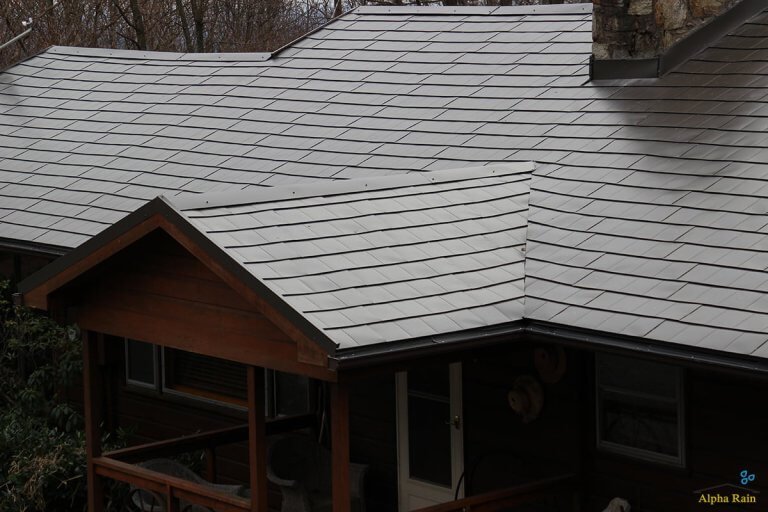
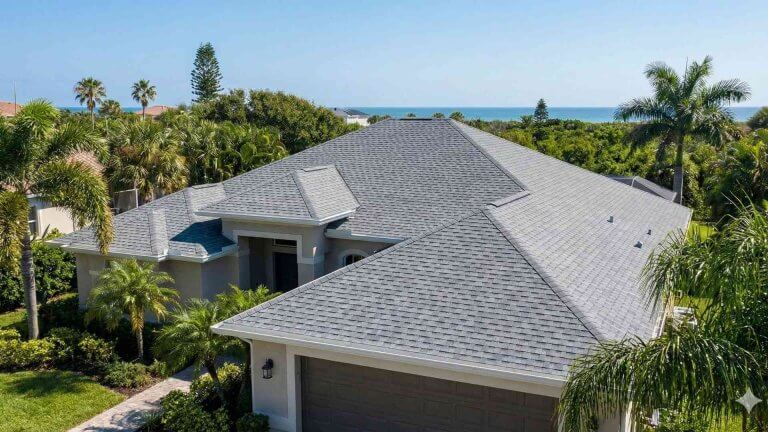
Asphalt shingles are super popular because they’re usually the cheapest way to go. Basic three-tab shingles are the most affordable, but they might not last as long as other options, especially with Florida’s storms. You’ve also got architectural shingles, which look nicer and hold up better, but cost a bit more. Then there are luxury asphalt shingles that try to mimic the look of wood or slate, but those can get pretty pricey. For a simple roof replacement, asphalt shingles are a good starting point.
Durable Metal Roofing Systems
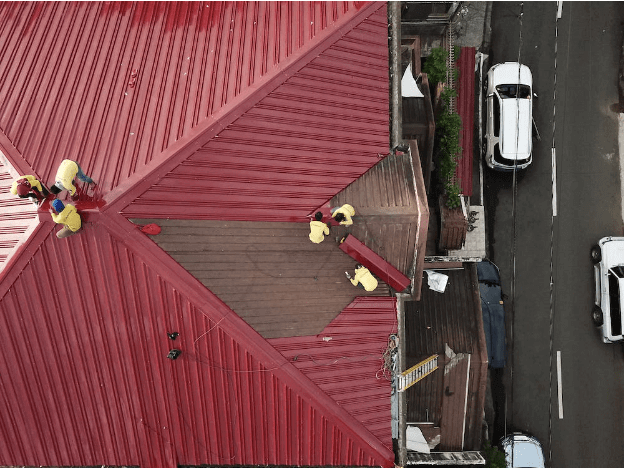
Metal roofs are known for lasting a long time and being energy efficient. The price really depends on the type of metal you pick. Corrugated steel is on the lower end, while aluminum and standing seam systems cost more. If you want something fancy like copper, be prepared to spend a lot. Aluminum is a good choice if you’re near the coast since it handles saltwater pretty well.
Tile And Specialty Roof Considerations
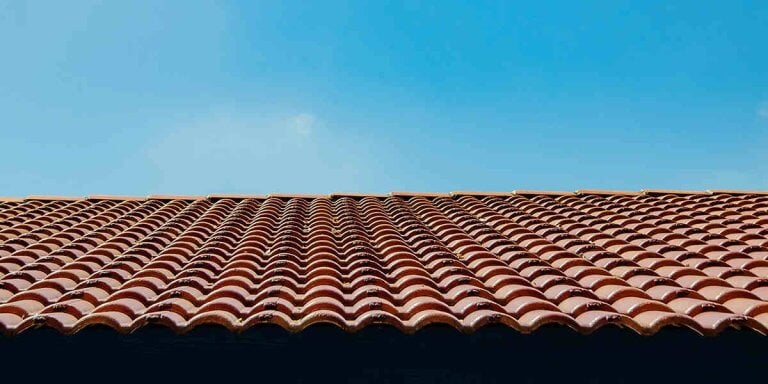
Tile roofs, like clay or concrete, are a classic look and can last for ages. Clay tiles are great if you want something eco-friendly and fire-resistant. Concrete tiles are also durable and come in different styles. Keep in mind that tile roofs are heavy, so you might need to reinforce your roof structure, which adds to the cost.
Flat Roof Solutions
Flat roofs need special materials to keep water out. Common choices include modified bitumen, TPO, and EPDM. These materials are designed to handle standing water and the Florida sun. The cost depends on the material and how big your roof is.
Picking a roofing material isn’t just about the initial price. Think about how long it will last, how much maintenance it needs, and how well it can handle Florida’s weather. A cheaper material might cost you more in the long run if you have to replace it sooner.
Navigating Regional Price Variations Across Florida
Roofing costs? They’re not uniform across the Sunshine State. What you pay in Jacksonville might be different from what you’d shell out in Miami. Several factors contribute to these price differences, so let’s break it down.
Coastal Versus Inland Pricing
Living by the coast comes with a premium, and that extends to roofing. Coastal areas often face higher labor costs due to increased demand and the specialized skills needed to combat saltwater corrosion and hurricane-force winds. Materials might also be pricier because of transportation costs and the need for more durable, weather-resistant options. Inland, you might find slightly lower prices, but don’t expect a huge difference.
Urban And Rural Cost Differences
Just like with everything else, urban areas tend to have higher costs. More competition among contractors can sometimes drive prices down, but the overall cost of doing business is higher. Rural areas might offer lower labor costs, but fewer contractors mean less choice and potentially longer wait times. It’s a trade-off.
Impact Of Local Demand
If there’s been a recent storm or a surge in new construction, demand for roofing services goes up. This can lead to higher prices as contractors become busier and material suppliers struggle to keep up. Keep an eye on local news and construction trends to anticipate potential price hikes. Also, consider that roof replacement costs can vary significantly.
It’s always a good idea to get multiple quotes from contractors in your specific area. Don’t just go with the first estimate you receive. Compare prices, materials, and warranties to make sure you’re getting the best deal for your situation.
Beyond The Initial Estimate: Hidden Costs To Anticipate
It’s easy to focus on the initial quote when planning a new roof, but it’s important to be aware of potential hidden costs. These unexpected expenses can significantly impact your budget, so it’s best to be prepared.
Old Roof Removal And Disposal
Most roofing estimates include the cost of removing your old roof, but it’s worth confirming. The price can vary depending on the material and the number of layers that need to be removed. For example, removing multiple layers of old shingles will cost more than removing a single layer. Disposal fees also play a role, and these can fluctuate based on local landfill rates. Make sure your estimate clearly outlines the roof removal costs to avoid surprises.
Structural Repairs And Decking Issues
Underneath your shingles lies the roof decking, which is the foundation for your entire roofing system. During the removal process, contractors may uncover hidden damage to the decking caused by leaks, rot, or pests. These issues need to be addressed before the new roof can be installed. Repairing or replacing damaged decking adds to the overall cost. The extent of the damage will determine the price, with small repairs being relatively inexpensive and full replacements being a significant expense.
Unexpected Damage Remediation
Sometimes, problems arise that no one could have predicted. This could include things like:
- Water damage to underlying structures.
- Unexpected pest infestations.
- Code compliance upgrades required by the city.
These situations require immediate attention and can add to the final bill. It’s a good idea to have a contingency fund set aside to cover these potential issues. Getting a detailed roofing estimate can help you prepare for these possibilities.
It’s always a good idea to discuss potential hidden costs with your contractor upfront. Ask them about their process for handling unexpected issues and how they will communicate any additional expenses to you. Transparency is key to a smooth and stress-free roofing project.
Maximizing Savings On Your Florida Roof Project
Leveraging Insurance Claims
Homeowner’s insurance can be a lifesaver when unexpected damage hits your roof. If your roof damage stems from a covered event, like a hurricane or severe storm, filing a claim can significantly reduce your out-of-pocket expenses. However, navigating the claims process can be tricky.
- Document everything: Take photos and videos of the damage before making any repairs.
- Review your policy: Understand what’s covered and your deductible.
- Get a professional inspection: A roofing contractor can assess the damage and provide documentation for your claim.
Remember, insurance companies may try to minimize payouts. Be prepared to negotiate and, if necessary, seek legal advice to ensure you receive a fair settlement.
Off-Season Installation Benefits
Most people think of roof work during the sunny months, but scheduling your roof replacement during Florida’s off-season (typically late fall and winter) can lead to savings. Demand is lower, meaning contractors might offer discounts to keep their crews busy. Plus, material suppliers may have sales during this time. Just be mindful of potential weather delays.
Comparing Contractor Quotes
Getting multiple quotes is a must. Don’t just go with the cheapest option, though. Look at the whole picture. A super low bid might mean the contractor is cutting corners on materials or labor.
Here’s what to consider:
- Detailed Estimates: Make sure each quote breaks down the costs of materials, labor, permits, and any other fees.
- Check References: Ask for references and actually call them. See what their experience was like.
- Read Reviews: Online reviews can give you a sense of a contractor’s reputation.
| Contractor | Material Cost | Labor Cost | Warranty | Total Cost |
|---|---|---|---|---|
| Company A | $4,000 | $3,000 | 5 years | $7,000 |
| Company B | $4,500 | $2,500 | 7 years | $7,000 |
| Company C | $3,800 | $2,800 | 3 years | $6,600 |
The Impact Of 2025 Tariffs On Florida Roofing Prices
Understanding Material Price Increases
Okay, so tariffs. Basically, they’re taxes on imported goods, and in 2025, they’re hitting roofing materials. This means the cost of stuff like steel, aluminum, and even some types of shingles is going up. This increase gets passed down to you, the homeowner, in the form of higher prices for your new roof. It’s not a small thing either; we’re talking about potentially hundreds or even thousands of dollars extra, depending on the material you choose. For example, let’s look at how the price of some common roofing materials has changed since the tariffs were introduced:
| Material | Pre-Tariff Price (per sq ft) | Post-Tariff Price (per sq ft) | Price Increase (%) |
|---|---|---|---|
| Asphalt Shingles | $3.00 | $3.30 | 10% |
| Metal Roofing | $8.00 | $8.80 | 10% |
| Concrete Tiles | $6.00 | $6.60 | 10% |
Supply Chain Considerations
It’s not just about the price of the materials themselves. Tariffs mess with the whole supply chain. Companies that make roofing materials might have a harder time getting what they need, or they might have to switch to different suppliers, which can also increase costs. This can lead to delays in getting your roof done, too. Think about it: if the roofing company can’t get the materials they need on time, your project gets pushed back. And sometimes, those delays can cost you extra money, especially if you’re dealing with leaks or other damage in the meantime. It might be worth looking into asphalt shingle roofing to avoid some of these issues.
Forecasting Future Cost Trends
Trying to predict the future is always tricky, but here’s the deal: most experts think roofing prices in Florida will keep going up, at least for the short term. The tariffs aren’t going away anytime soon, and demand for roofing is still high because, well, Florida weather is tough on roofs. Plus, there’s always the chance of new tariffs or other trade issues popping up that could make things even worse. So, if you’re thinking about getting a new roof, it might be better to do it sooner rather than later. Waiting could mean paying even more down the road.
The best advice I can give is to get multiple quotes from different contractors and ask them specifically about how the tariffs are affecting their prices. Don’t be afraid to negotiate and see if they can offer any discounts or financing options. And remember, the cheapest option isn’t always the best – you want to make sure you’re getting a quality roof that will last for years to come.
Starting in 2025, new taxes on imported materials could make getting a new roof or fixing an old one in Florida more costly. These tariffs might push up prices for homeowners and businesses across areas like Melbourne, Palm Bay, and Rockledge. Want to know more about how this could impact your home or business? Check out our website for all the details on our roofing services.
Final Thoughts on Your Florida Roof
So, there you have it. Getting a new roof in Florida for 2025 is a pretty big deal, and as you can see, the price tag isn’t a one-size-fits-all kind of thing. It really depends on what kind of materials you pick, how big your house is, and even where you live in the Sunshine State. The main takeaway here is to do your homework. Don’t just go with the first quote you get. Talk to a few different roofers, compare their offers, and ask lots of questions. A solid roof is super important, especially with our weather, so taking the time to make a smart choice now will definitely pay off later.
Frequently Asked Questions
How much does a new roof usually cost in Florida?
Getting a new roof in Florida can cost anywhere from about $5,000 to $15,000 for a typical home. This is just an average, though. The actual price can go up or down a lot based on different things like the size of your roof and the materials you choose.
What things make the price of a new roof go up or down?
Several things affect the final cost. The size and shape of your roof, for example, play a big part. Picking different types of roofing materials, like basic shingles versus strong metal, also changes the price. How much roofers charge for their work and what local permits you need can also add to or subtract from the total.
What kinds of roofing materials are most common in Florida?
In Florida, you’ll often see asphalt shingles because they’re pretty affordable and get the job done. Metal roofs are also popular since they last a long time and stand up well to our strong weather. Some homes use tile, especially for a certain look, and flat roofs are common on some buildings too.
Does the cost of a new roof change if I live in a different part of Florida?
Yes, it sure does. If you’re near the coast, prices might be higher because roofs need to be extra strong to handle hurricanes. Costs can also be different between big cities and smaller towns. Plus, if lots of people in your area need roofs at the same time, prices might go up.
Are there any hidden costs when replacing a roof?
Sometimes, yes. You might have extra costs for taking off your old roof and hauling away all the old stuff. If the wood underneath your roof is damaged, fixing that will add to the bill. It’s a good idea to have a little extra money set aside for any surprises that pop up during the job.
How can I save money on my new roof in Florida?
You can try a few things to save money. First, check if your home insurance might cover some of the cost, especially if your roof was damaged by a storm. Getting your roof replaced during the “slow season” (when roofers aren’t as busy) might also get you a better price. And always get quotes from at least three different roofing companies to compare their offers.