Many homeowners wonder, “Do roofers work in the winter?” and “Do freezing temperatures delay critical repairs?” Understanding how professional roofing contractors in Palm Bay handle winter conditions helps you plan for seasonal maintenance and emergency fixes.
Key Takeaways
- Professional roofers work year-round with proper safety measures and adjusted techniques.
- Cold temperatures below 40 degrees can affect asphalt shingle installations, requiring specialized methods and materials.
- Winter roofing projects usually include emergency repairs, inspections, routine maintenance, and total replacements when conditions allow.
Can You Have Roof Work Done in the Winter?
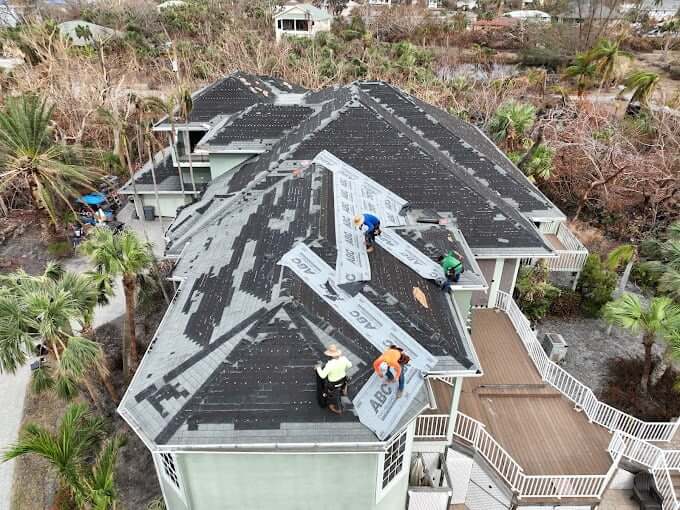
Winter roofing projects require additional planning due to shorter daylight hours and shifting weather conditions. Limited work windows demand precise scheduling, requiring contractors to prepare contingency plans to protect exposed roof areas if the temperature drops unexpectedly or storms roll in.
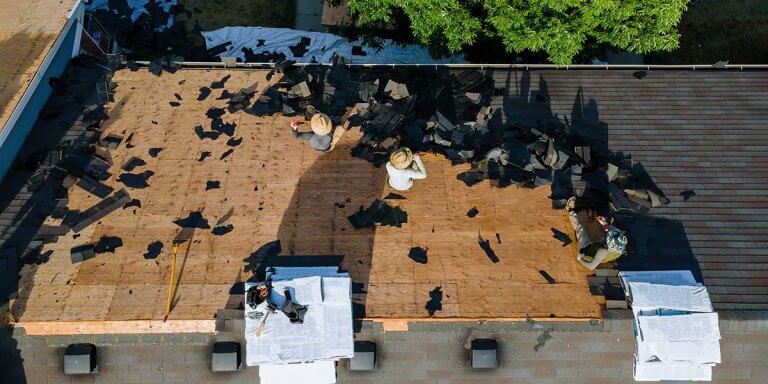
Despite the challenges of roofing projects in winter conditions, roofers still offer services. Professional roofing contractors adapt their methods to accommodate colder temperatures and changing weather conditions. Florida’s mild climate allows roofing work to continue with minimal interruptions throughout all seasons.
Winter Roofing Safety and Temperature Limits
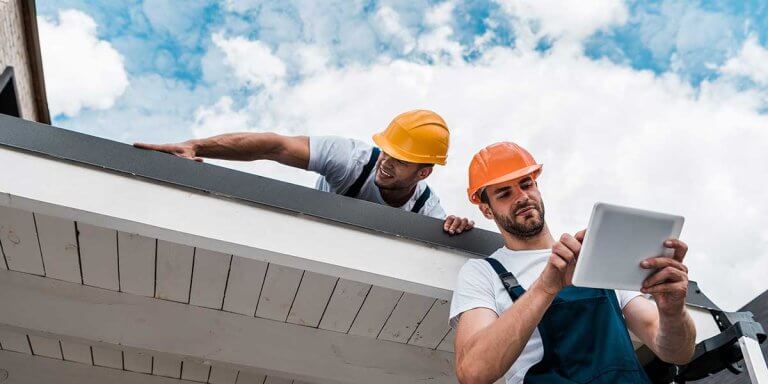
Safety becomes the top priority during winter roofing projects. Contractors implement enhanced protocols to protect workers and ensure quality installations. Crews monitor weather forecasts and adjust schedules based on temperature, wind speed, and precipitation.
Professional teams take these winter safety precautions:
- Clearing ice, frost, and moisture from roof surfaces before beginning work
- Using fall protection systems and thermal gear appropriate for cold conditions
- Maintaining tools and equipment at proper temperatures to ensure reliable performance
Most roofing materials require temperatures above freezing for proper installation. Asphalt shingles need at least 40 degrees to activate their adhesive seals correctly.
Cold Weather Roof Repair Considerations
Cold temperatures create challenges during roof repairs, especially with asphalt shingles. Contractors who know all about roofing store materials in climate-controlled spaces and use hand-sealing techniques to prevent cracking. This ensures proper adhesion during winter work.
The Best Roofing Materials for Cold Weather
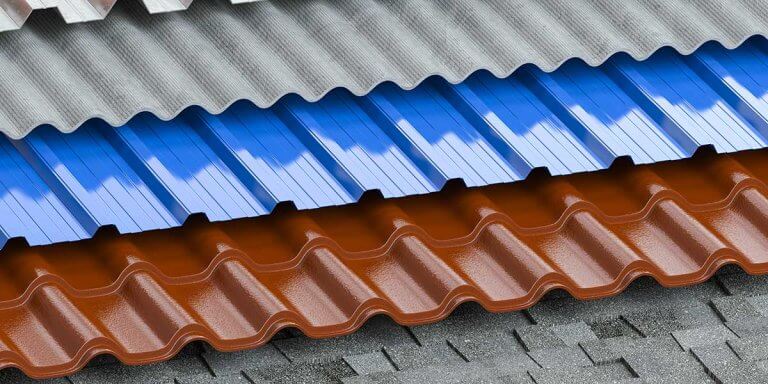
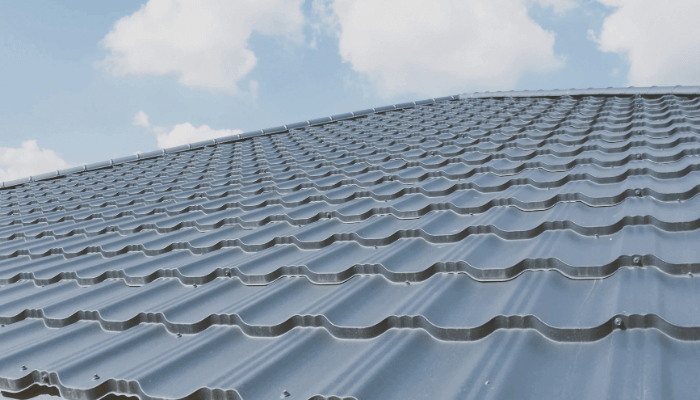
Metal roofing excels in winter installations due to its temperature resistance. Unlike asphalt shingles, metal panels maintain their integrity in extreme cold without becoming brittle. Properly installed metal roofs deliver exceptional durability and weather resistance throughout their lifespan.
Trust Platinum Roofing & Construction for Winter Roof Work
The answer to “Do roofers work in the winter?” is yes. At Platinum Roofing & Construction, we provide expert roofing services throughout the cooler months, including repairs for damaged roofs that can’t wait until spring. Our experienced team uses proper techniques, quality materials, and safety protocols to deliver exceptional results.
Contact Platinum Roofing & Construction at (321) 514-1243 for roofing services in Palm Bay, FL.
Frequently Asked Questions
Here are common questions about winter roofing work.
Can You Replace an Entire Roof During Winter?
Complete roof replacements are possible in winter when temperatures stay above 40 degrees, and weather conditions remain dry.
What Types of Winter Roof Damage Require Immediate Attention?
Active leaks, missing shingles, damaged flashing, and structural issues all need immediate professional repairs to prevent further damage.
Do Roofers Work in the Winter in Below-Freezing Temperatures?
Professional roofers may repair roofs in below-freezing temperatures using specialized materials and hand-sealing techniques.